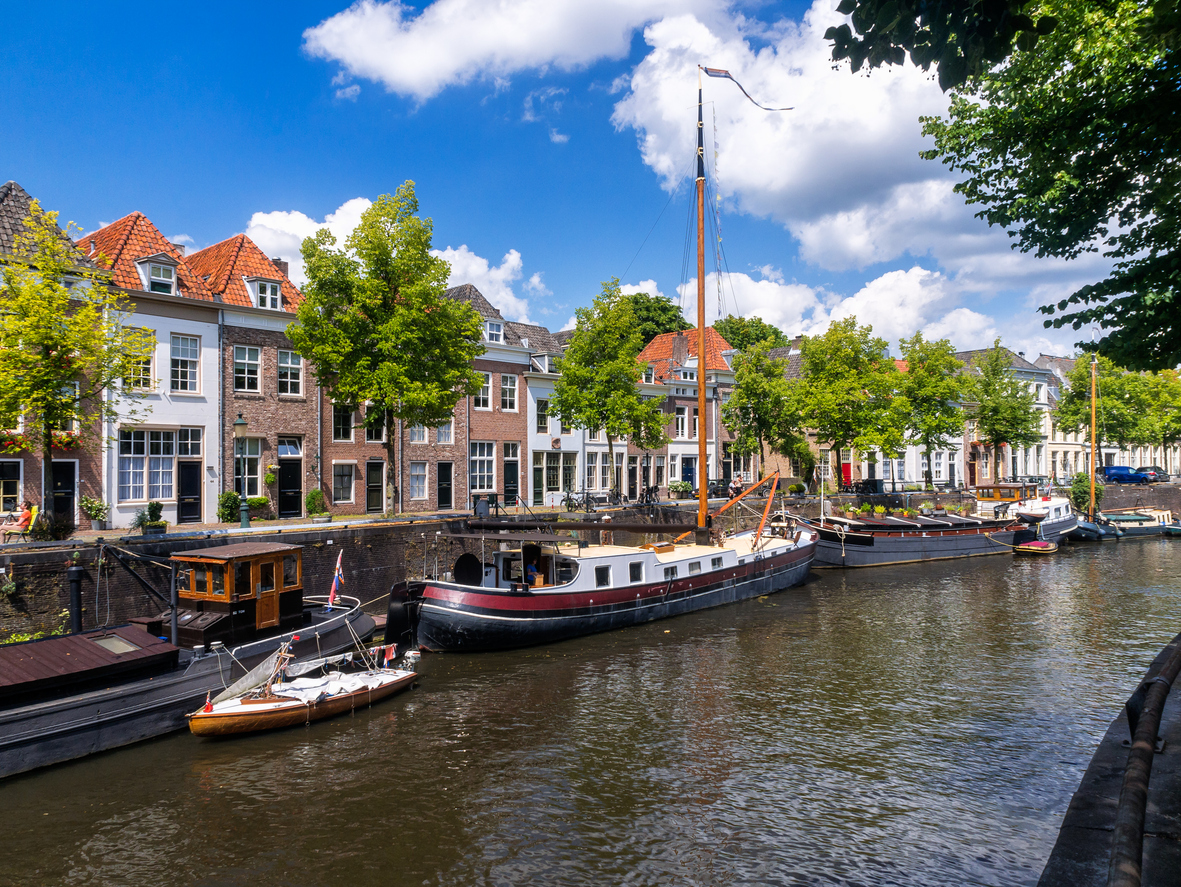
Dutch drinking water utility Brabant Water is creating one of Europe’s largest digital water networks, serving 2.6 million residents and businesses across North Brabant province in the south of the Netherlands.
To meet rising demand, the utility is deploying a digital twin and smart metering solutions with a view to building a more efficient, resilient water system.
The virtual model, created in partnership with water technology company Xylem, covers 29 treatment facilities and nearly 12,000 miles of pipelines.
It receives real-time data from sensors, meters and pumping stations to give operators continuous visibility and quicker detection of issues such as leaks or equipment faults.
Using a digital platform from Xylem, the utility can simulate performance under different conditions—such as demand spikes or operational changes—so potential issues can be identified and addressed before customers are affected.
Over the next two years, Brabant Water plans to install 120,000 ultrasonic smart meters. These will give households and businesses a clearer view of consumption and feed live data into the digital twin to improve leak detection and network optimisation.
Independent research from Xylem and Global Water Intelligence indicates that digital water platforms can cut the cost of building resilience to floods and droughts by up to 40%.
Wouter Huisman, Programme Manager, Smart Operations at Brabant Water, said: “Managing a network of this size demands more than experience; it demands real-time insight.
“By taking our digital transformation to the next level, we can see across the entire system, anticipate issues before they happen, and make smarter decisions that strengthen the network for the future.”
In Valencia, Spain, deploying a digital twin with Xylem Vue helped the local utility achieve a 30% reduction in non-revenue water, a 15% reduction in energy consumption during the water treatment process, and a 20% reduction to OPEX maintenance costs, as well as a 60% increase in customer satisfaction.
This digital twin replicates a system serving a population of 1.7 million residents which includes two treatment plants, 28 storage tanks, 47 pumps, 219 operating valves, and over 20,000 readings taken every day.