By David Jenkins
We’ve spent too long looking at infrastructure through a narrow lens, thinking about the individual pipe, bridge, or pump instead of the wider system it sits within.
Asset-by-asset thinking misses the point. It’s not the pipe that matters; it’s the safe drinking water it carries. It’s not the asphalt, it’s the mobility it enables. We risk losing sight of the bigger picture when we focus only on the component.
Systems thinking flips that perspective. It asks us to see infrastructure as part of a living, dynamic network where the built environment overlaps with the natural environment, which in turn overlaps with the social environment. These aren’t separate domains; they are deeply intertwined.
In The Fifth Discipline, Peter Senge describes systems thinking as a way to see “interrelationships rather than linear cause-and-effect chains” and recognise patterns of change over time. In Thinking in Systems, Donella Meadows reminds us that the leverage for change is often in the connections and purpose of the system, not the individual parts. For infrastructure, this means understanding how a seawall affects coastal erosion patterns, how that changes local biodiversity, and how those shifts alter a community’s social and economic life.
Singapore’s water strategy is a clear example. With no natural aquifers, Singapore didn’t just build more treatment plants; it integrated catchment, recycling, desalination, and demand management to balance built infrastructure with natural water cycles and community behaviour. The result is a water system resilient to environmental stress and changes in population and industry.
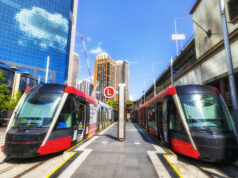
The Netherlands takes a similar approach to mobility. Roads, cycleways, rail, and waterways are treated as an interconnected network, carefully planned alongside land use, environmental protection, and social needs. The measure of success isn’t simply the number of kilometres of road built but whether people can reach education, work, and essential services efficiently and sustainably.
New York City’s Green Infrastructure Program offers another example; rather than relying solely on expanding underground stormwater pipes to reduce flooding and sewage overflows, the city invested in rain gardens, permeable pavements, and green roofs. These assets don’t just manage stormwater; they also improve air quality, reduce urban heat, create green space for communities, and enhance biodiversity. Its infrastructure is designed with the recognition that the built, natural, and social systems are inseparable.
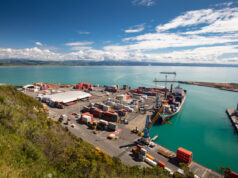
Thinking this way shifts us from a mechanical mindset, break, fix, replace, to an ecological one, where every intervention has ripple effects. Widening a road to reduce congestion may encourage more cars, which affects emissions, air quality, and community health. Upgrading a port changes freight flows, which impacts rail demand, road maintenance, and local economies. By recognising these feedback loops, we can design interventions that strengthen rather than undermine the wider system.
Embedding systems thinking in asset management means starting with the service, not the asset. It means mapping the connections between infrastructure, the natural systems it depends on, and the social systems it serves. It means making the invisible visible, bringing underground, hidden, and indirect impacts into the conversation. It also means measuring outcomes that matter to communities: safe, reliable water, accessible, low-carbon transport, and protection from flood and fire.
When we do this well, we move from managing assets to stewarding whole services. We build resilience that lasts beyond individual projects. We start to see infrastructure not just as things we make but as part of a larger, interconnected story that we all live in together.