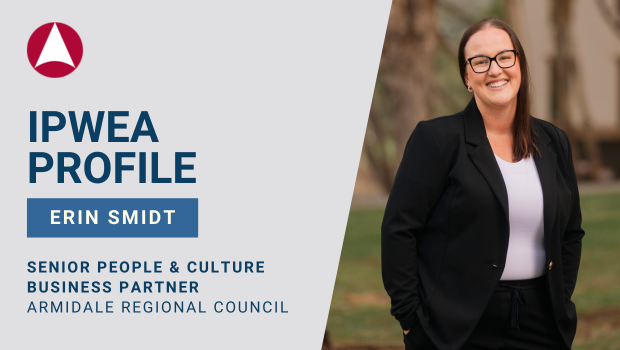
When Armidale Regional Council was having difficulty recruiting for positions a few years ago there was one factor which stood out for Erin Smidt and her colleagues in the human resources area.
“A lot of the roles we were recruiting for were for roles which have been traditionally dominated by men,” says Smidt, the Senior People & Culture Business Partner at the council.
“So we put our heads together and thought ‘how do we fix this problem.'”
“And we realised that there was 50% of the workforce we were missing out on, and these were women.”
From that point, the council has looked for ways to engage women and get them into roles in construction and engineering.
The first initiative was called ‘Girls in Civil,’ and the council engaged with local schools to find female students interested in learning about these types of careers.
Over three consecutive Fridays the first group of 12 high school students went through a program which exposed them to engineering and construction roles in the council.
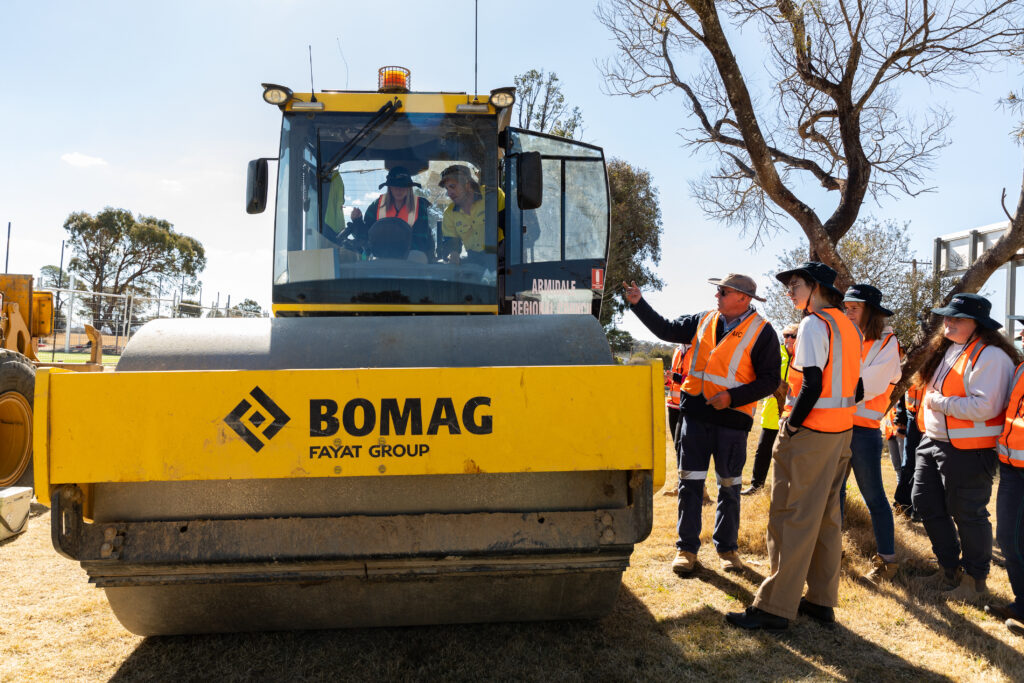
“The first day we took them around to a number of different sites and showed them the range of different occupations and types of work,” says Smidt.
“On the second day we took them though an Elevated Work Platform ticket, where they were working at a height of eleven metres, so they actually emerged with a skill and a qualification.
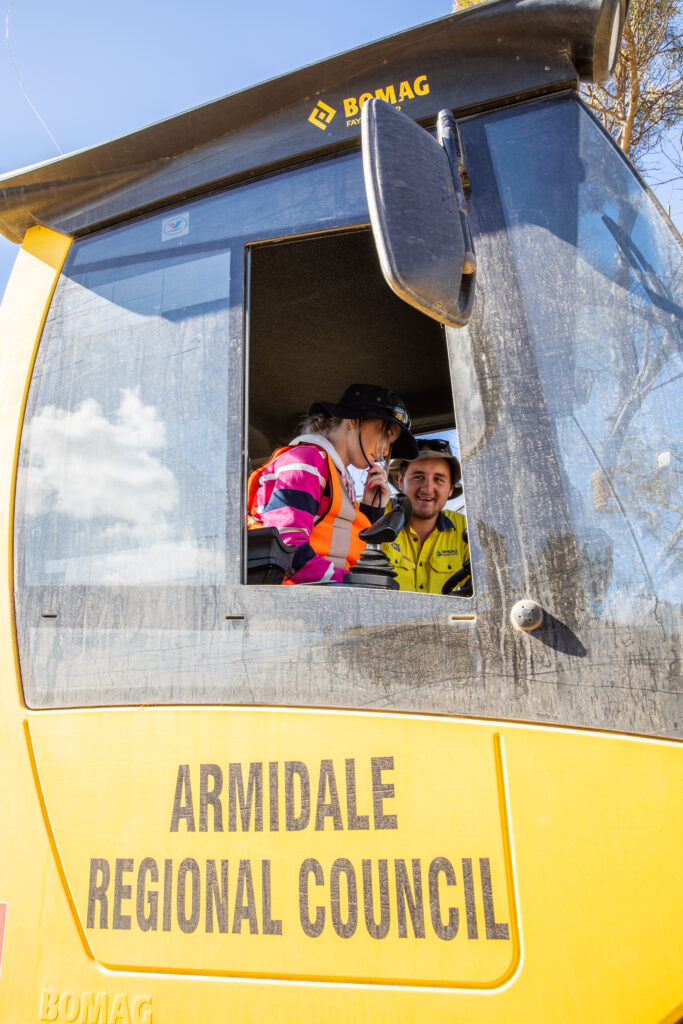
“And then on the last day we took them to one of our major project sites and showed them a road restoration projects which is worth around $600 million, and had a lunch where they could meet other women in non-traditional roles and talk to them about breaking down some barriers.”
Armidale Regional Council has also run a similar program for First Nations women, which resulted in several participants recruited to council, although not in construction or engineering roles.
“These women were slightly older and were able to slot straight into council roles, whereas the high school students would need to finish their schooling before coming to us,” says Smidt.
“But it has made us think of a more targeted program for high school seniors where we might bring them in and have them transition into full time roles through cadetships.
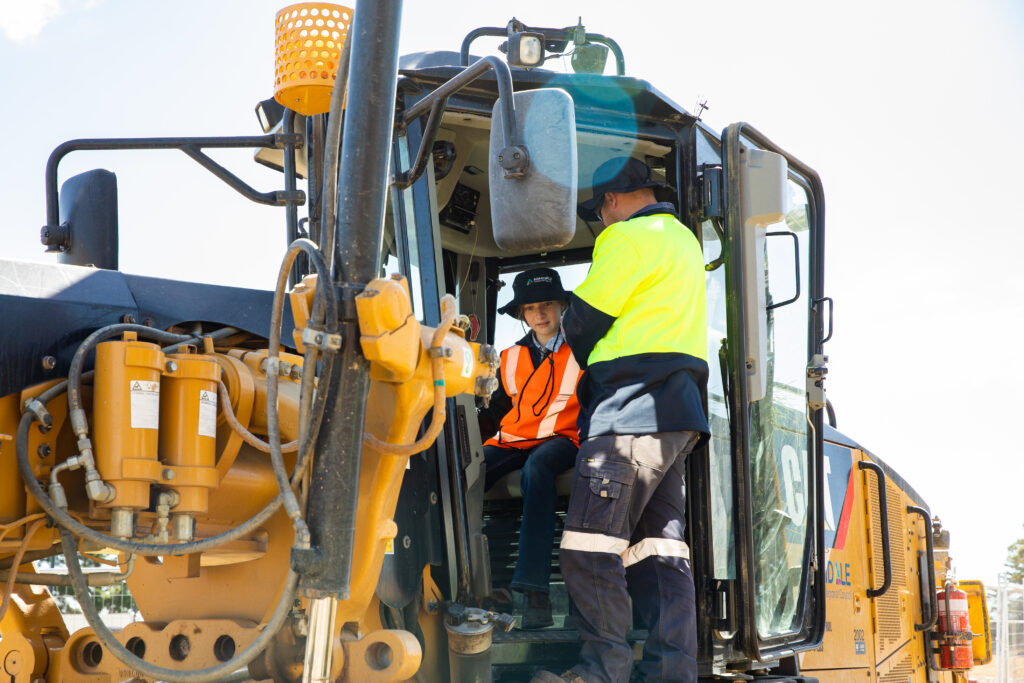
“We do now have a number of female engineers on staff, and they are very supportive of the initiative. We have a great environment where we can bring people in, and they can already see women in the roles.”
A next step is in developing plans to create an all-female crew, with the aim of then dispersing those women into mixed gender crews once they find their footing and are familiar with their roles.”
While Armidale has several organisations which offer women certifications and qualifications in transport and construction, women have not had the opportunities to apply their training locally.
“We are looking at a crew of about five women, with a team leader, probably two plant operators and two general hands, and they’ll probably commence in our transport division as it has the biggest variety of work and the most opportunities to learn,” says Smidt
Mentors from other areas of the council would also come in alongside the crew as facilitators and for additional support.
“The idea is that they would graduate out of that crew and move into mixed crews and then mixed gender crews would grow to be just a normal part of the organisation,” she said.
“We’ve had women come into mixed crews before and while that has gone alright, I think we could have done more to support them. We’re thinking of a structured program which we can repeat with different groups of women, with the ultimate aim of getting a better gender balance across our operational workforce.”
The gender initiatives sit well with Smidt’s passion for working in human resources, and its potential to change and improve cultural outcomes.
Smidt is on her “second tour” with the Armidale Regional Council after working in an work health and safety role before moving to her alma mater, the University of New England, where she worked for almost six years in workforce strategy and development.
“Now I feel I have finally found a job where I can use all the things I have learned and implement them on a daily basis and help make a difference,” she says.
The culture of the council, she says, has also changed in a more positive way and initiatives such as ‘Girls in Civil’ would not have been possible during her “first tour.”
“Now there is a very clear expectation that we treat everyone with respect and that everyone comes in on an equal footing and no-one is better than anyone else,” she says.
“I certainly think we’re at a place where we are more willing to entertain change, so it’s exciting time for me to be in this role.”
Erin Smidt will be a speaker at the IPWEA International Public Works Conference to be held from August 25 to 28 at the International Conference Centre in Sydney. Visit our website to learn more.