Local government revenues are not keeping up with the increasing cost of mitigating climate change, according to a new report by the Australia Institute.
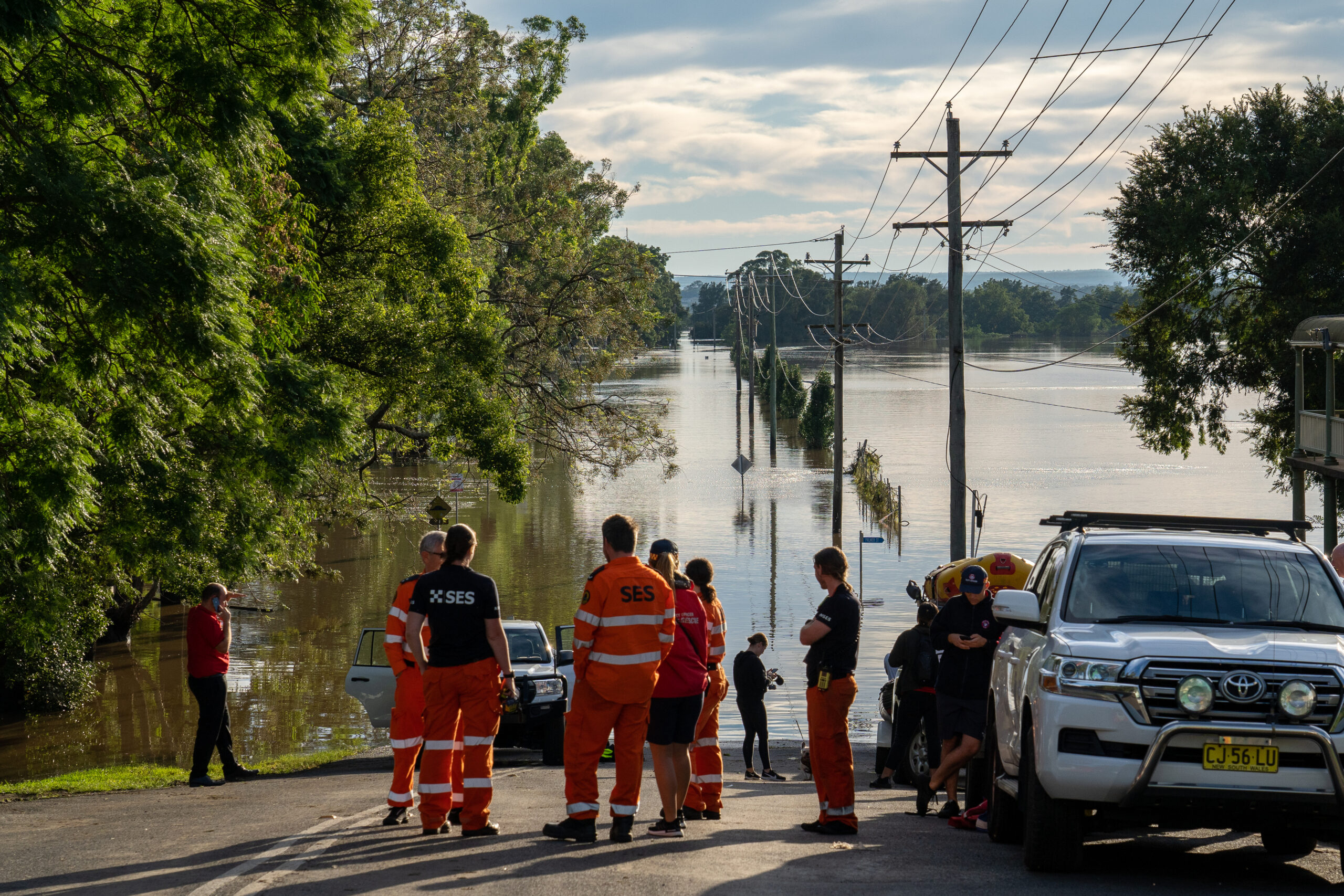
The report says that the cost of repairing roads, drainage, parks and community facilities after floods, fires and storms is outpacing the ability of local government to cope at current revenue levels.
According to the Australia Institute, the insured costs of climate change are 12 times higher than 20 years ago, while local government revenue is only three times higher.
In 2004, insurance costs were in sync with revenues, however they have been rising ever since, and began to spike sharply from around 2016.
Insured losses from disasters are generally not neatly divided by states – some highly destructive disasters have crossed state boundaries, such as the many floods and storms that eastern Australia has endured in recent years.
Comparing changes in overall disaster costs with each state’s local government revenue reveals that no state is increasing local government revenues as quickly as disaster costs are growing
Rod Campbell, the Research Director at the Australia Institute, advocates a National Climate Disaster Fund to be funded by a levy per tonne of carbon pollution.
“If this levy was set at $30 per tonne, it would raise $44 billion in this year alone,” said Campbell.
“If a town or suburb is battered by a storm or a bridge is washed away in a flood, local councils are often left to pick up the tab. It’s happening more often and with greater severity.”
Australia Institute research shows that over 800,000 Australian households and over two million people do not have full home building insurance.
Insured losses generally do not include public disaster response spending, such as under the Natural Disaster Relief and Recovery Arrangements.
However, public disaster response spending tends to occur in years with high insured losses.
The report says that insured losses are inherently tied to existing economic inequalities. Harm done to communities with less wealth and lower incomes, for example, would see lower insured losses, despite considerable harm occurring.
“The costs of climate change are increasing and will hit local governments hard,” Rod Campbell said.
“Local governments will be required to respond to the impacts of climate disasters and will need to invest in climate adaptation infrastructure to reduce the damage done by these disasters.”