Globally, we are seeing an increase in extreme weather events. From torrential rain to catastrophic wildfires, what were once “unprecedented” events or statistical anomalies are now becoming a regular feature of our annual weather cycle.
For every 1°C of warming, the air holds approximately 7% more moisture. This has resulted in more intense and frequent weather events including floods, heatwaves, and fires, and has fundamentally changed the baseline for our infrastructure.
Director of Sustainability at IPWEA Dr Jacqueline Balston says: “Climate change is altering not only the weather systems we experience but will also result in a raft of secondary hazards including coastal erosion, riverine flooding, green infrastructure collapse, and landsides.”
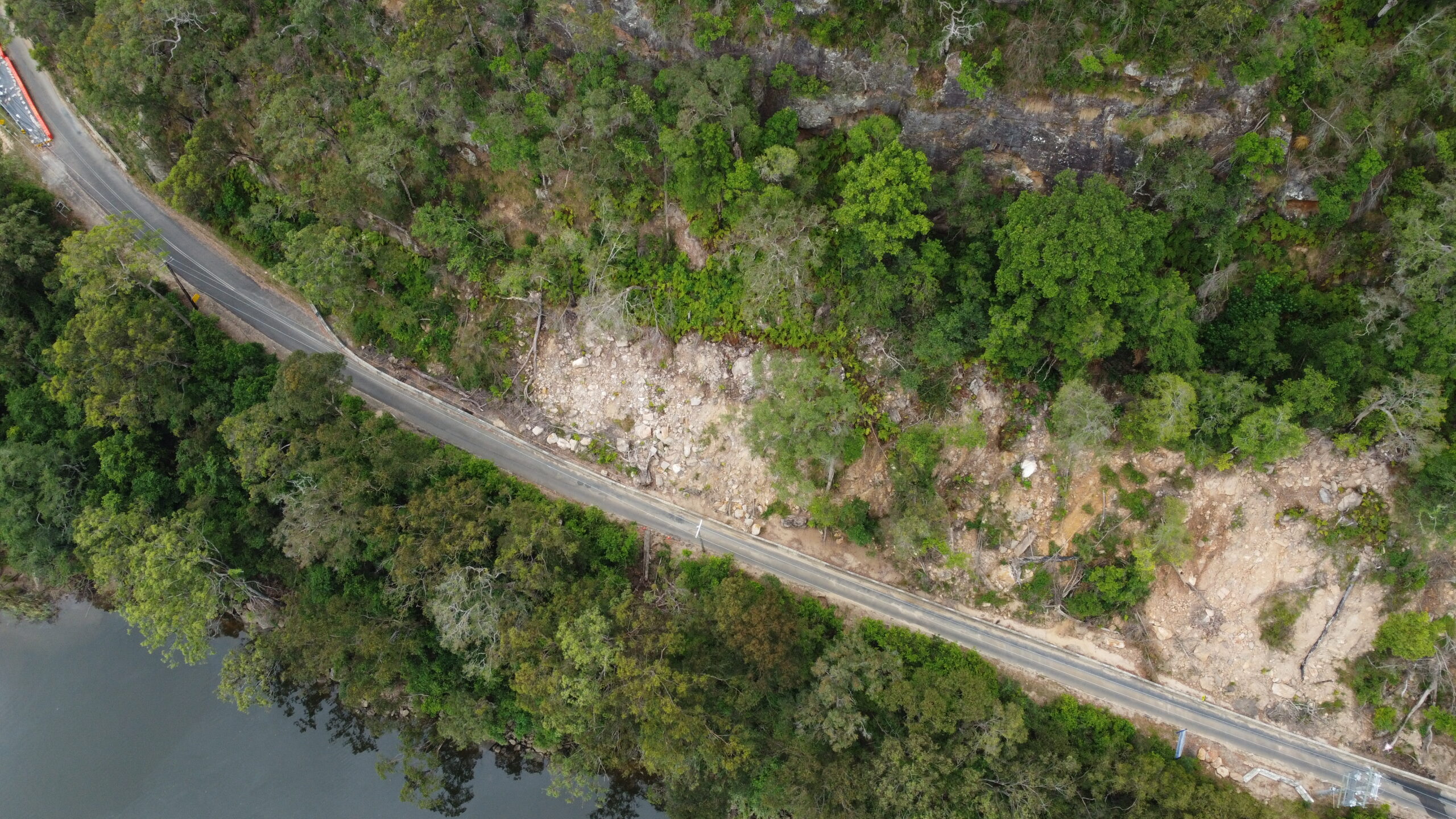
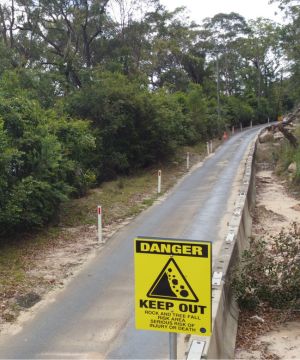
Landslides can be one of the most destructive climate-related hazards in our region, often acting as a “secondary” disaster triggered by a lack of vegetation, intense rainfall and/or seismic activity. In the first three months of 2026 alone, there have been a number of significant landslides across the world.
In January, the Sicilian town of Niscemi experienced severe rainfall from Storm Harry, that saturated the layers of sand and clay beneath the town. This triggered a slow but significant landslide. Over nine days, a 4 km section of land collapsed, damaging buildings and infrastructure, and forcing the evacuation of over 1,000 residents.
In February, the Brazilian state of Minas Gerais recorded its wettest month on record with 752 mm of rain. The deluge saturated the soil and triggered at least 20 significant landslides and flash floods, leading to 440 evacuations and over 65 confirmed deaths.
Closer to home, New Zealand’s North Island started the year with tropical storms with rainfall that exceeded 200 mm in 24 hours in some areas – well above the typical landslide threshold. The result was two fatal landslides in Tauranga and Mount Maunganui.
Deloitte estimates disasters arising from natural hazards now cost the Australian economy $38 billion annually, up from $18 billion a decade ago. Similarly, the Australian Local Government Association has reported over 60% of Australian local government areas were declared disaster zones between 2023 and 2025. Many, repeatedly.
The scale of these disasters creates a challenge for local governments who maintain approximately one-third of Australia’s infrastructure. However, there is a path forward; the World Bank estimates that every dollar invested in resilient infrastructure saves $4 in avoided repairs and economic disruption.
Practical solutions are emerging. Following Cyclone Gabrielle in 2023, Auckland Transport (AT) recorded data from over 2,000 landslides that directly impacted their road network. Recognising that 60% of its network is vulnerable to geohazards, AT used this data to develop a specialised Landslide Framework.
The Framework evaluated 30 different parameters that may contribute to a landslide, including land overflow paths, drainage, underlying soil, vegetation, and geologic fault lines. The Framework was refined using actual landslide data, and machine learning was used to map the risk at each section of the road network. The Framework will now be used to inform AT’s forward works program through early intervention to help them move beyond reactive repairs.
The Hawkesbury-Nepean Valley in New South Wales, has the largest unmitigated flood risk in the state, and has experienced six significant floods in the period from 2020 to 2022. The area is also prone to bushfires. The combination of both and the underlying geology has a compounding effect and creates the conditions necessary for land instability and landslides.
As a result of such regular disasters, infrastructure resilience in the region has taken a community centred approach.
Some remote communities in the Hawkesbury Local Government Area have created self-organising ‘associations’ that can support each other in times of crisis. For example, the Macdonald Valley Association (MVA) was established to support a remote region that spans approximately 45 km, which can be quickly cut-off by fires and floods. The MVA works together to ensure the community’s safety and resilience, and provides a link to engage with government, agencies, and authorities.
Through their work, the MVA have supported increased fire and flood preparedness and appointed 25 wardens to cover each district in the Valley; provided an Emergency Grab Bag, UHF radio, and Household Emergency Response Plan for every resident; and have developed the Macdonald Valley App which provides quick links to resources such as river gauges, cameras and other emergency response information.
Will Barton, Director of Infrastructure Services at Hawkesbury City Council says: “The one thing I’ve taken away over the last four years is that the technical aspects of reconstruction can be relatively straightforward, but the real value comes in engaging with the local community to ascertain what works best for them.”
Organisations like the MVA make it much easier for the Council to meet the community’s needs, as they can work directly with the Association that puts forward shared priorities. Barton said “We can listen to the Association, understand their needs, and action those, or where appropriate, be their advocate back to government to develop a business case for the support they require”.
What, then, does resilient infrastructure look like in this “new normal”?
While the frameworks may vary depending on region and the challenges faced, if we aim to link technical engineering, data-driven insights, and community advocacy, local governments will be able to create resilient assets that can respond with flexibility to best support their communities.