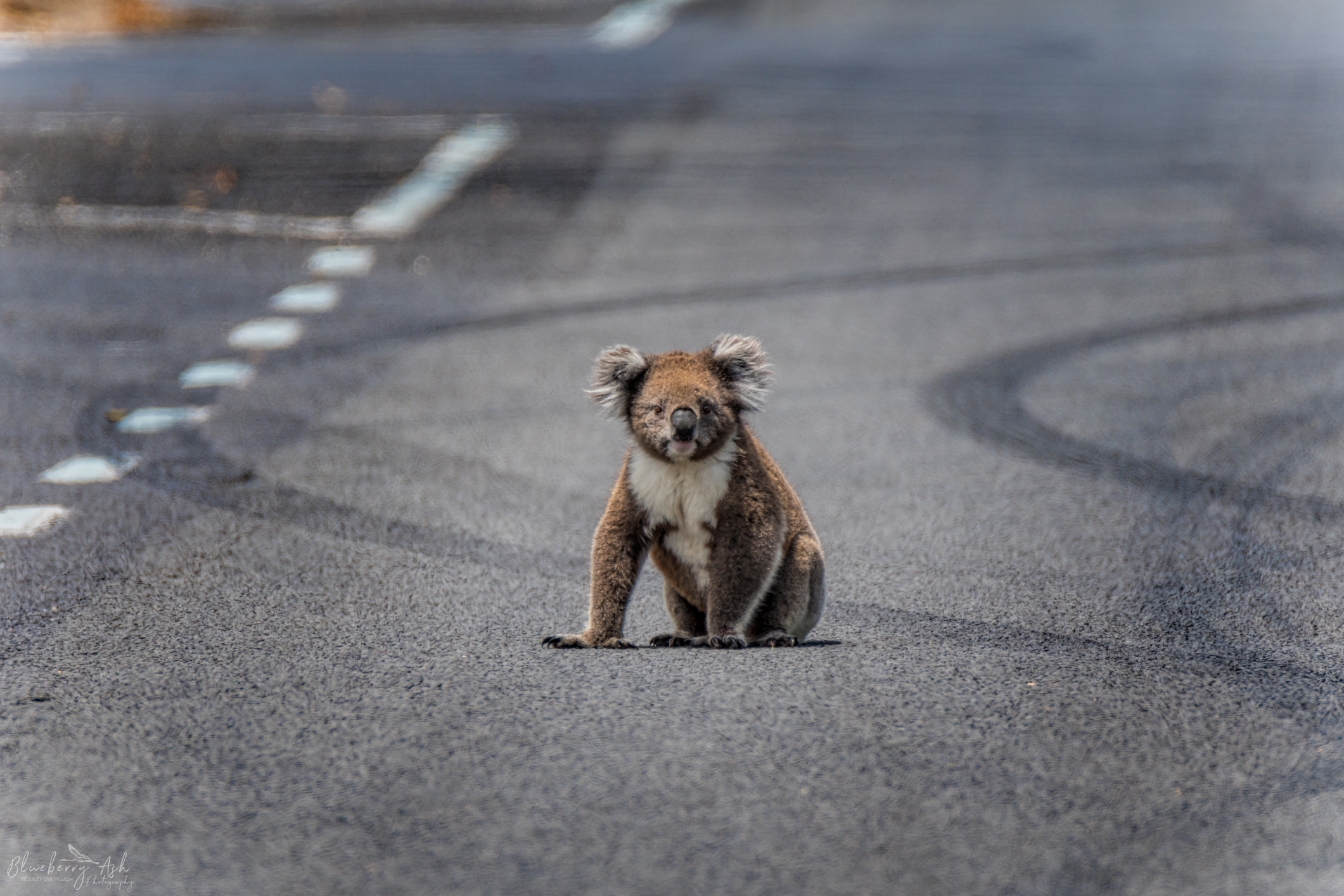
An innovative one way barrier designed to help koalas safely exit road corridors is becoming a standard feature on road infrastructure projects in Queensland.
Jointly funded by the Australian and Queensland governments, the Fauna Escape Hatch (FEH), the hatch is being implemented on major road projects in Queensland such as the Pacific M1 Varsity Lakes to Tugun upgrade and the Coomera Connector Stage 1 on the Gold Coast.
Designed by Endeavour Veterinary Ecology (EVE), the hatches are one-way and allow allows koalas and other wildlife to safely exit road corridors.
The hatches were originally trialled in 2023. Those trials were monitored and showed successful usage by the wildlife, koalas as well as possums, leading to the wider implementation and inclusion in the Queensland Fauna Sensitive Transport Infrastructure Delivery Manual.
They have also been verified by the Infrastructure Sustainability Council as an Australian-first innovation.
With an average of 300 koalas killed on south-east Queensland’s roads each year, EVE scientific manager Deidre de Villiers told the ABC that current methods of keeping koalas safe from vehicles were not very effective.
Dr de Villiers said koalas are intelligent enough to thwart human inventions. “We were finding koala tags that were ripped off as they squeeze under the chain wire fences on the sides of highways,” Dr de Villiers said.
“They like to push under things so we found by having these [hatches] on ground level it’s natural behaviour for them to quickly slip underneath it.”
EVE chief executive Michael Hornby said that “one of the problems for koalas who find themselves on busy highways or in rail corridors is they find their way in, but they have trouble finding their way out.”
“The issue with wildlife getting onto these highways, onto rail corridors, is one of safety, not only the animals, but of the people themselves,” Hornby said.
“The results can be catastrophic, and this benefits the safety of wildlife but also humans.”