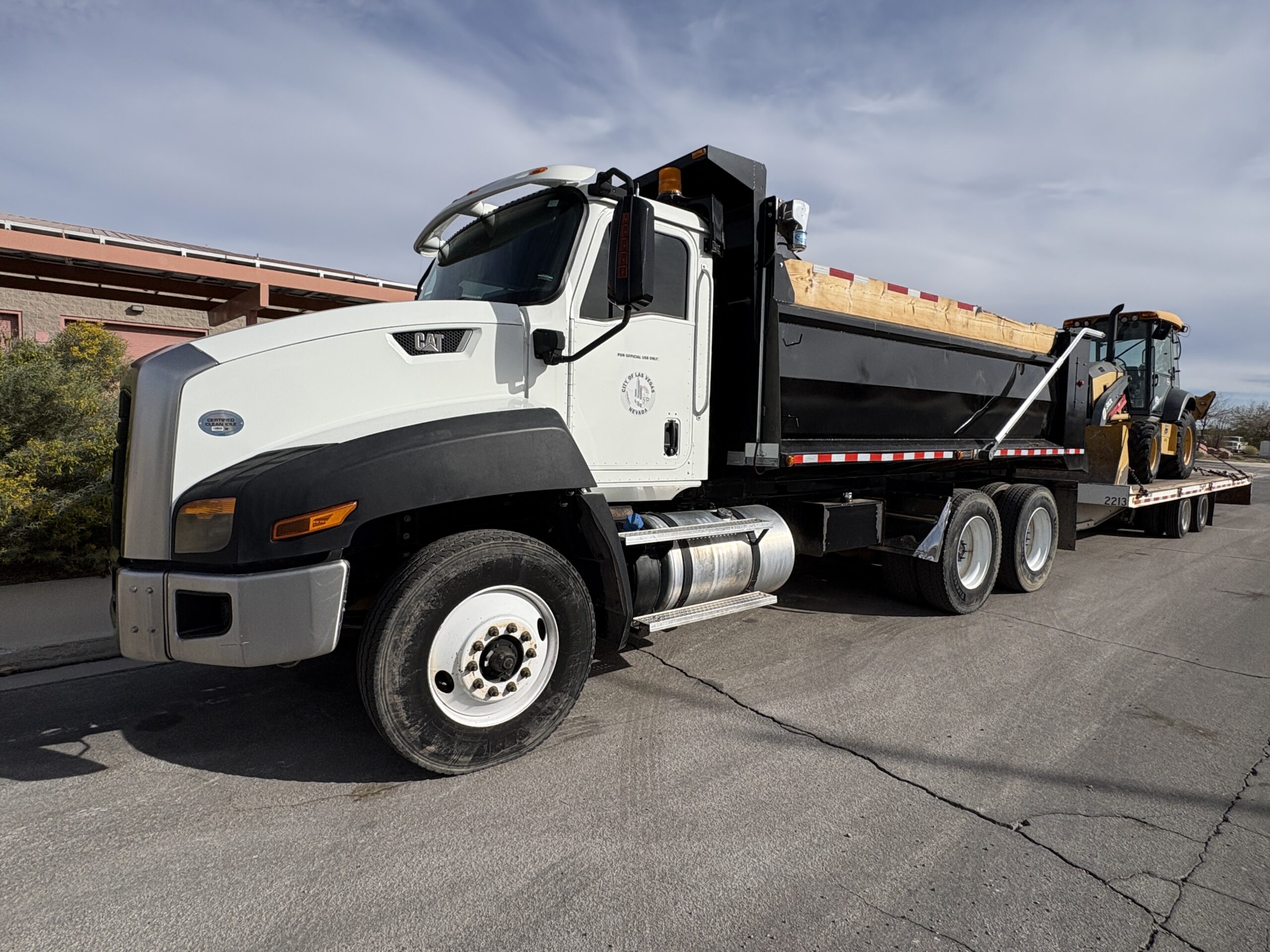
As part of IPWEA Fleet’s ongoing focus on building fleet management maturity through peer learning, Marc Sibbald, Director of Fleet at IPWEA, recently visited the City of Las Vegas to better understand how municipal fleets are managed in the United States and how those approaches compare with Australian local government practice.
The visit provided an opportunity to step outside the Australian system and test assumptions by engaging directly with practitioners managing a large, complex municipal fleet in a different regulatory and operating environment.
A large fleet with familiar pressures
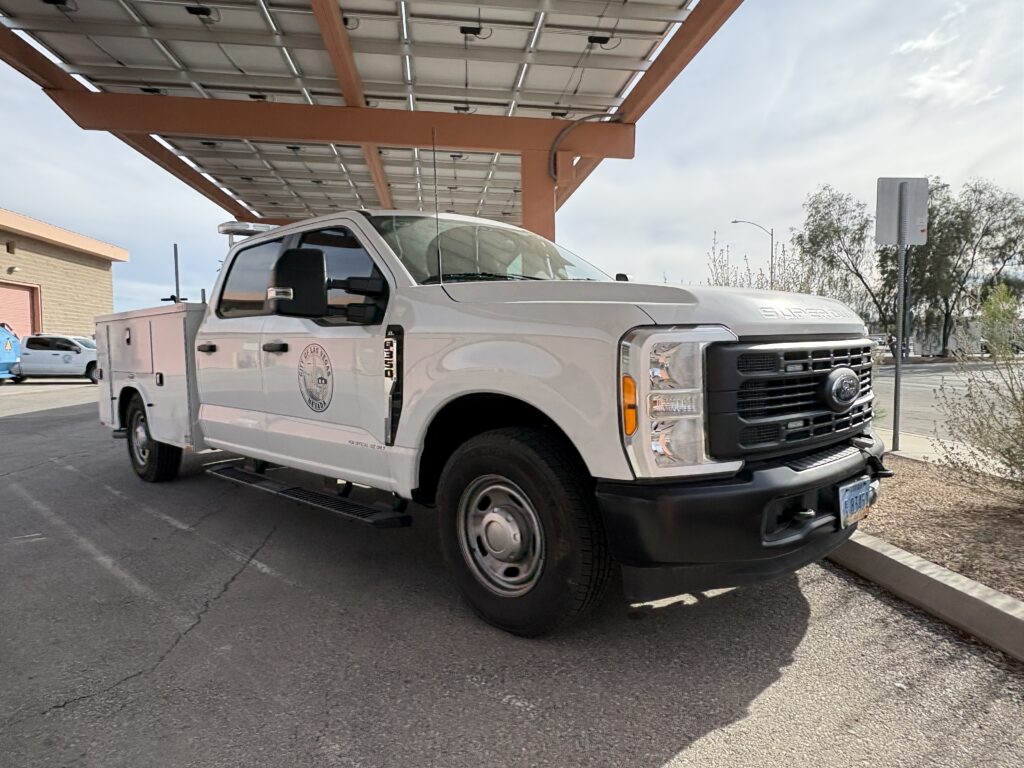
The City of Las Vegas operates a diverse municipal fleet made up of light vehicles, heavy trucks, plant, and equipment, supported by in-house workshops and fuel infrastructure. While the scale and geography differ from most Australian councils, many of the challenges discussed during the visit were instantly recognisable.
Workforce capability and succession planning, budget constraints, asset replacement pressures, workshop capacity, and the ongoing need to justify fleet investment within broader council/city priorities were consistent themes. These are issues Australian fleet teams contend with daily, reinforcing that fleet management challenges are largely universal rather than jurisdiction-specific.
Fuel, technology, and operational focus
Discussions also covered fuel management and technology adoption. Fuel security remains a critical operational issue for the City of Las Vegas, supported by multiple internal fuel sites and biodiesel use across parts of the fleet. Telematics deployment is being approached in stages, with different hardware platforms integrated into a single software environment to improve visibility and decision-making.
Notably, electrification of work-focused vehicles is not currently a priority for the fleet, reflecting infrastructure constraints and operational realities. This perspective provided a useful contrast to the strong EV policy momentum seen in Australia and highlighted the importance of aligning technology decisions with operational need rather than policy alone.
Learning from a recognised high-performing fleet
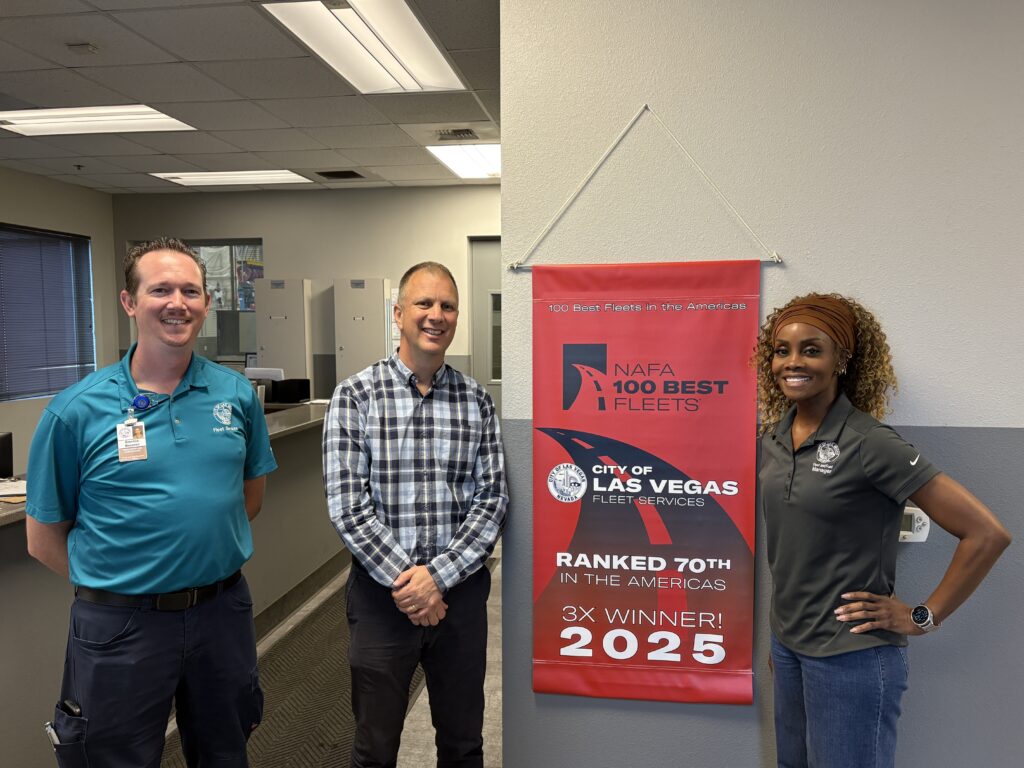
The City of Las Vegas fleet is ranked 70th in the 2025 NAFA 100 Best Fleets program. Spending time with a fleet formally recognised for its performance offered valuable insight into the governance, discipline, and continuous improvement mindset required to achieve and sustain strong outcomes.
What stood out most was not a single system or process, but the professionalism, passion, and commitment of fleet practitioners to continually improve how public assets are managed in service of their community.
Why cross-border learning matters
For IPWEA Fleet, visits like this reinforce the value of peer-to-peer learning beyond national borders. While regulatory frameworks, funding models, and policy settings differ, the fundamentals of good fleet management remain the same: clear governance, reliable data, skilled people, and a focus on whole-of-life outcomes.
These insights will help inform future IPWEA Fleet initiatives, including professional development, benchmarking discussions, and fleet maturity conversations across the Australian local government sector.
By learning from comparable organisations overseas, Australian fleet teams can better challenge their own practices, adopt proven ideas, and continue lifting the maturity and resilience of fleet management at home.