What began as a platform for centralising fleet data is now shaping decisions across Australia’s biggest builds.
Eighteen months after launch, Komatsu’s myFleet has become a fixture in how contractors plan their work, measure performance and account for costs.
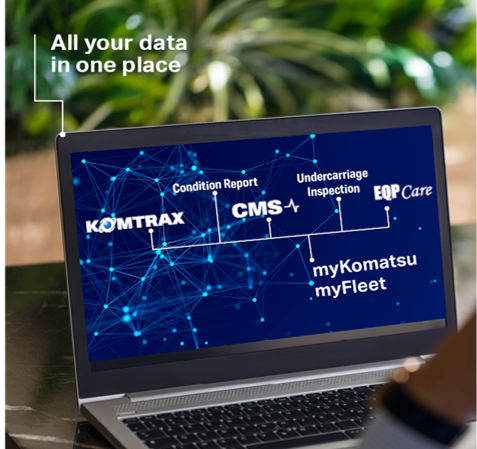
When myFleet was introduced through the myKomatsu customer portal, the aim was to create one place where contractors could view the information machines generate every day. Telemetry, inspections, fluid analysis, undercarriage assessments and service records were drawn together into a single system. For many businesses, that centralisation was the first time machine health, utilisation and service data could be seen side by side.
For Komatsu, the ambition was always bigger. Steve Williams, National Manager Digital & Process Innovation at Komatsu Australia, says the company set out to change how information drives action.
“It is one thing to collect data, but the real value is when customers can make faster and better decisions from it,” says Williams. “The platform was designed to make that possible.”
The way choices are made has shifted both on site and in the office, as myFleet becomes part of daily planning, commercial strategy and client reporting.
A single operational picture
On large and complex builds, schedules, margins and safety are under constant pressure. What myFleet delivers is a single operational picture that brings those moving parts into alignment.
“People talk about the convenience, but it is more than that. They are finding they can sequence crews, parts and even substitute machines with confidence, because they have the context to do it,” says Williams.
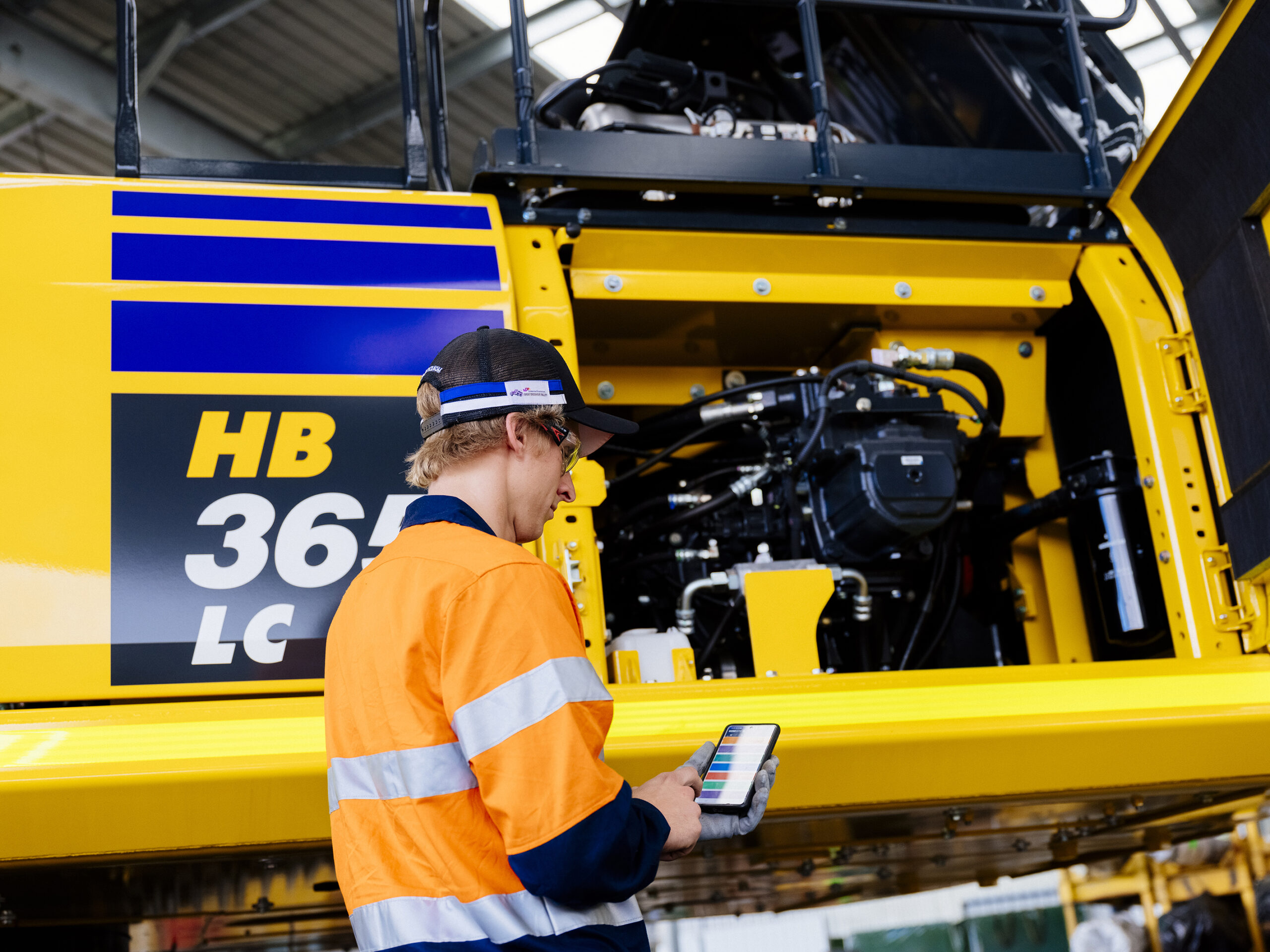
That capability is delivered through the machine health dashboard, which shows the condition of each asset in real time and flags when attention is needed. Abnormal codes, inspection results and upcoming service intervals appear on one screen, allowing managers to plan work when it best suits the program, rather than when a fault forces the issue.
For supervisors, this means less time juggling multiple systems and more time directing activity on site. For executives, it provides a higher level of accountability, with a single source of truth that stretches across operations, maintenance and commercial teams.
The economic case for centralised fleet intelligence is clear-cut, with fewer stoppages, better-timed servicing and stronger margins as a result. The benefits are also seen in day-to-day operations. With data flowing in from Komtrax – Komatsu’s remote monitoring system that captures machine information and jobsite activity – myFleet provides visibility of utilisation, idle time, duty cycles and fuel consumption.
On compatible machines, the Payload Meter feature adds another dimension by recording load weights and productivity cycles. The combination creates a detailed picture of how equipment is being used and its efficiency. Under-utilisation becomes visible, bottlenecks can be identified and redeployment decisions can be backed by evidence.
Williams highlights the benchmarking tool as particularly powerful. By comparing machine performance against the wider Komatsu population, contractors gain a reference point to confirm their fleet is operating in line with industry standards.
“It gives leaders context,” says Williams. “With that visibility, they can pinpoint strengths and weaknesses across their fleet and decide where improvements will deliver the most value.”
For project directors, this intelligence sets direction, from program adjustments to bid support and stakeholder communication.
Another area of impact is the integration of service booking and reporting. Through the platform, contractors can schedule servicing and access post-service reports with photos and checklists, creating an auditable record that proves invaluable in conversations with clients, insurers and regulators.
“It also closes the gap between a technician’s observation and management action,” says Williams. “Defects are documented and acted upon sooner, extending asset life and reducing unplanned downtime.”
Equally important is the service history view, which consolidates past work across the fleet. For decision makers, this creates accountability that paper files or disconnected systems rarely provide. Maintenance choices can be defended, warranty discussions supported and compliance requirements met with greater certainty.
Accountability also reaches into sustainability, with fuel use and emissions under closer scrutiny. Public and private clients alike expect reliable disclosure, making fuel efficiency a factor contractors can no longer overlook. On the myFleet dashboard, businesses can access data on both fuel consumption and the associated carbon emissions, giving them the evidence to report confidently. Williams says the feature is gaining traction as sustainability moves higher on client agendas.
“The potential here is significant,” says Williams. “When businesses can analyse consumption in detail, they are in a position to manage both costs and environmental impacts more effectively.”
For contractors bidding on government projects, emissions performance now carries weight in evaluation, making accurate reporting part of the competitive edge.
Evolving with the industry
What distinguishes myFleet is not only what it delivers now, but the trajectory of its development. Komatsu has continued to add new data streams, deeper analytics and integrations that reduce the need for manual input. Williams emphasises that this is central to the company’s approach.
Contractors of every scale are drawing value from it. For smaller businesses, myFleet provides access to the same foresight larger competitors rely on. For Tier 1 contractors, it enables coordination across fleets of hundreds of machines, with data feeding into project and corporate strategy frameworks.
But the deeper change is cultural. Construction has traditionally relied on practical experience and instinct, but data is now reinforcing those instincts with evidence. Tools like myFleet are helping embed foresight in daily practice. For leaders, the challenge is to ensure that capability does not sit in isolation but is adopted across teams.
The road forward
Contractors are expected to deliver certainty, transparency and environmental reporting, all while keeping margins intact. Komatsu’s myFleet shows how centralised intelligence helps meet those demands by providing a framework that links information directly to outcomes.
The question for contractors is no longer what data they hold, but how they act on it. Those who embed foresight into both culture and operations will keep control of cost, productivity and reputation. Those who delay risk making critical calls in partial light.