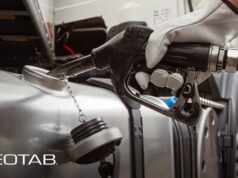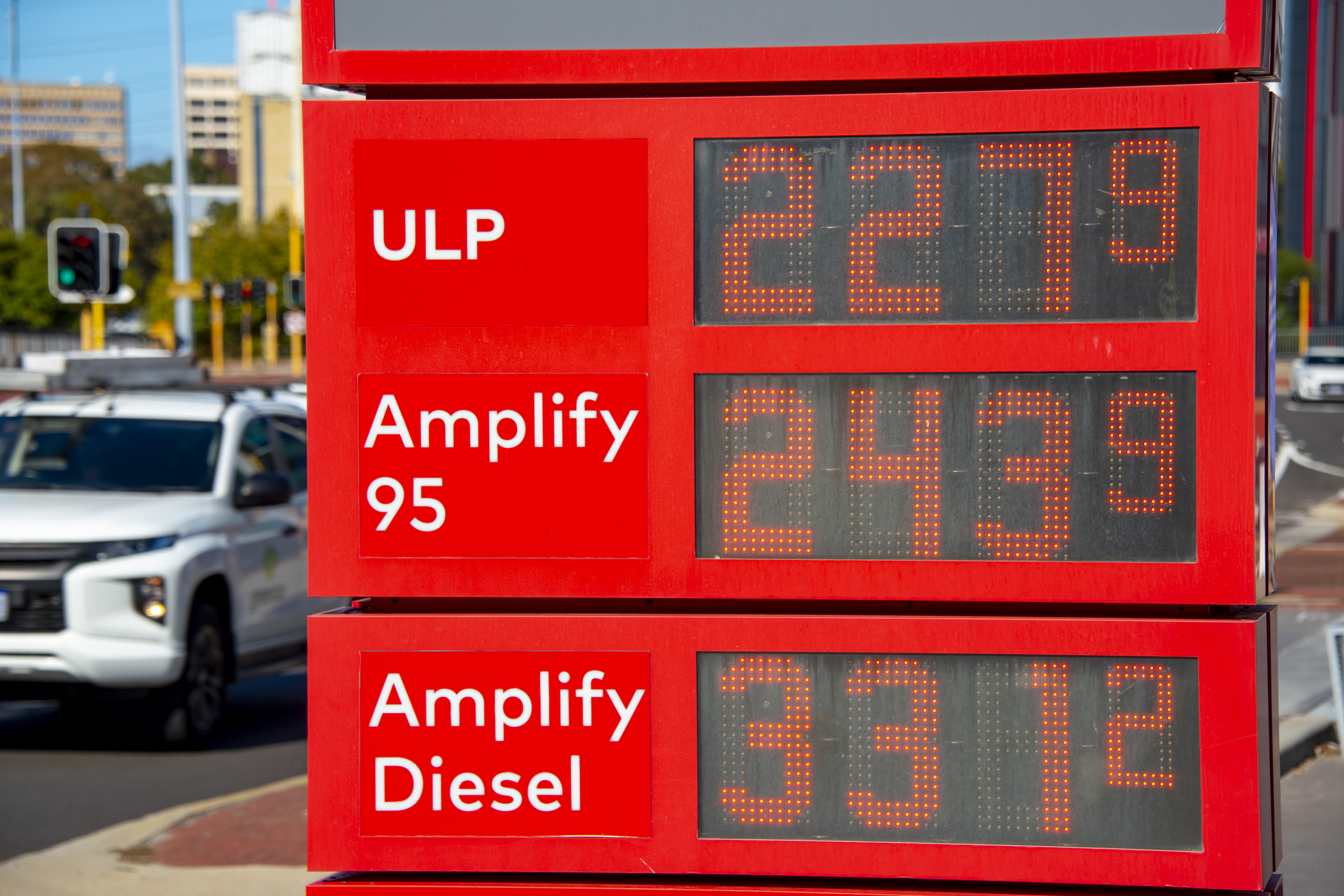
Over the past 7 weeks, countries across the world have been grappling with a severe global fuel crisis. Following the effective closure of the Strait of Hormuz in early March this year, which typically handles approximately 20% of the world’s oil supply, Australia and New Zealand have seen significant spike in fuel prices.
The blockade has stranded millions of barrels of crude oil and has created what the International Energy Agency has described as the “largest supply disruption in history”.
Much like the early days of the 2020 pandemic, media reports and the psychology of the crisis led to a massive surge in demand for fuel. Despite the official assurances that fuel tankers were still arriving on schedule, people resorted to panic buying, tripling normal daily demand in some areas. This in turn strained local distribution networks and delivery trucks simply couldn’t replenish service station tanks fast enough to keep up, leading to ‘dry’ signs at some regional bowsers.
It is unclear how long the crisis will last and what the longer-term impact on the supply chain will be. However, for local government fleet managers, the crisis has brought swift budgetary and operational challenges that have required an equally rapid response.
Local government fleets are the backbone of community service delivery, responsible for providing essential services from waste collection to road maintenance, and the volatility of the current market has had a significant impact on daily operations.
For Darren Scott, the Manager of Fleet Services at Ipswich City Council, the immediate priority was securing sufficient fuel to support essential services. Of their 800 fleet assets, 50 were identified as critical to maintaining community service delivery. Fortunately, the council received guaranteed supply confirmations from providers for these specific assets, ensuring frontline operations remained uninterrupted.
The most profound impact so far has been budgetary. While fuel pricing is typically budgeted on a ±10% basis, Ipswich City Council saw a 40% increase in average fuel spend in March, with a projected 52% increase for April. On the other side of the country, the City of Wanneroo in Western Australia has experienced similar increases, with a 25% increase in fuel expenditure in March, and a similar increase is projected for April across their fleet of 600 vehicles.
So, how did these teams respond to the crisis?
Prior to the fuel crisis, Ipswich City Council had already been assessing their fleet utilisation. By leveraging this utilisation data, the council was able to identify under-utilised assets which was a critical step in their broader strategy to mitigate the financial impact of rising fuel costs. The Council is likely to sell some assets to help offset the budgetary pressures of the crisis. Additionally, the Council had already been working with a tyre fitter about to improve the rolling resistance in their tyres, which can also improve fuel efficiency.
Driver engagement has also been a priority. The fleet team communicated the impact of idling on fuel use, noting that reducing idle time can decrease consumption by up to 18%. They also refined car-pooling processes to improve logistical efficiency and minimise unnecessary trips.
At the City of Wanneroo, fuel cards are used for all vehicles, and Fleet Manager Aaron MacNish has worked with drivers to encourage the use of the correct service stations to “spread the load” across the network to mitigate any localised supply bottlenecks. They’ve also required the right card be used for the right asset, to maintain data integrity and allow for the immediate monitoring of any discrepancies.
Looking to the future, Ipswich City Council is planning on recommissioning a 50,000 litre fuel cell, and are currently fast-tracking the process to put in a bowser at the cell to secure their own onsite supply and provide greater operational independence from market volatility. Meanwhile, the City of Wanneroo are investigating obtaining a supply of Renewable Diesel as an alternative to petroleum diesel. This shift would not only provide a fuel alternative but would also offer a 90% reduction in CO2 emissions for their heavy vehicles when compared with petroleum diesel.
As the initial urgency of the crisis has begun to subside, the fleet teams at the cities of Ipswich and Wanneroo have been able to transition from an emergency response back towards normal operations. However, depending on the longevity of this crisis, local governments across the region could still face millions of dollars in increased operational costs.