By Steve Mooney
So much of what asset managers do focuses on maintaining and repairing assets so they remain useful and continue to deliver services to their communities. This work is essential, but it is often grounded in an assumption that the assets themselves will always remain relevant.
Yet some assets are no longer fit for purpose. Demographic change can quietly erode relevance, and communities themselves may evolve to the point where it is no longer financially sustainable to maintain existing infrastructure because the underlying revenue base has shifted or diminished.
Much of our infrastructure thinking remains anchored in growth – making things bigger, newer, or more extensive. However, there must also be space to recognise that some assets are no longer needed in their current form, or that they could be repurposed to deliver different services that better match future needs and affordability.
Not being able to afford assets is so often positioned as some kind of collective failure, but it can also be an opportunity which helps us understand how available funds might be more efficiently used, and if different assets and ways of living might serve us better.
New Zealand is going through some of this in the aftermath of Cyclone Gabrielle in 2023, with parts of the Hawke’s Bay and Tairawhiti regions now considered permanently uninhabitable with category zones created.
Areas in the category 3 ‘Red Zone’ are now considered too risky for people to live in, and homeowners have been offered voluntary buyouts while category 2 areas require significant new infrastructure if they are to be safe for long term habitation.
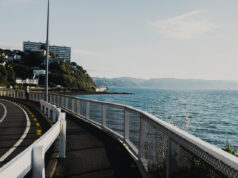
Parts of Wellington are almost at sea level, so the question is: Do we invest in major flood mitigation infrastructure or leave these areas to be reclaimed by the elements?
This is a prime case of the environment asking us to change our infrastructure priorities and demanding that we find new alternatives.
Managed retreat, in this case, is not a failure but an acceptance of the new reality, and we should be flexible enough to understand the changes and look for opportunities as we adapt.
In the South Island, the changes are driven by demography. Rural areas of the South Island are seeing a shrinking and ageing population, presenting challenges in the maintenance of existing services and infrastructure.
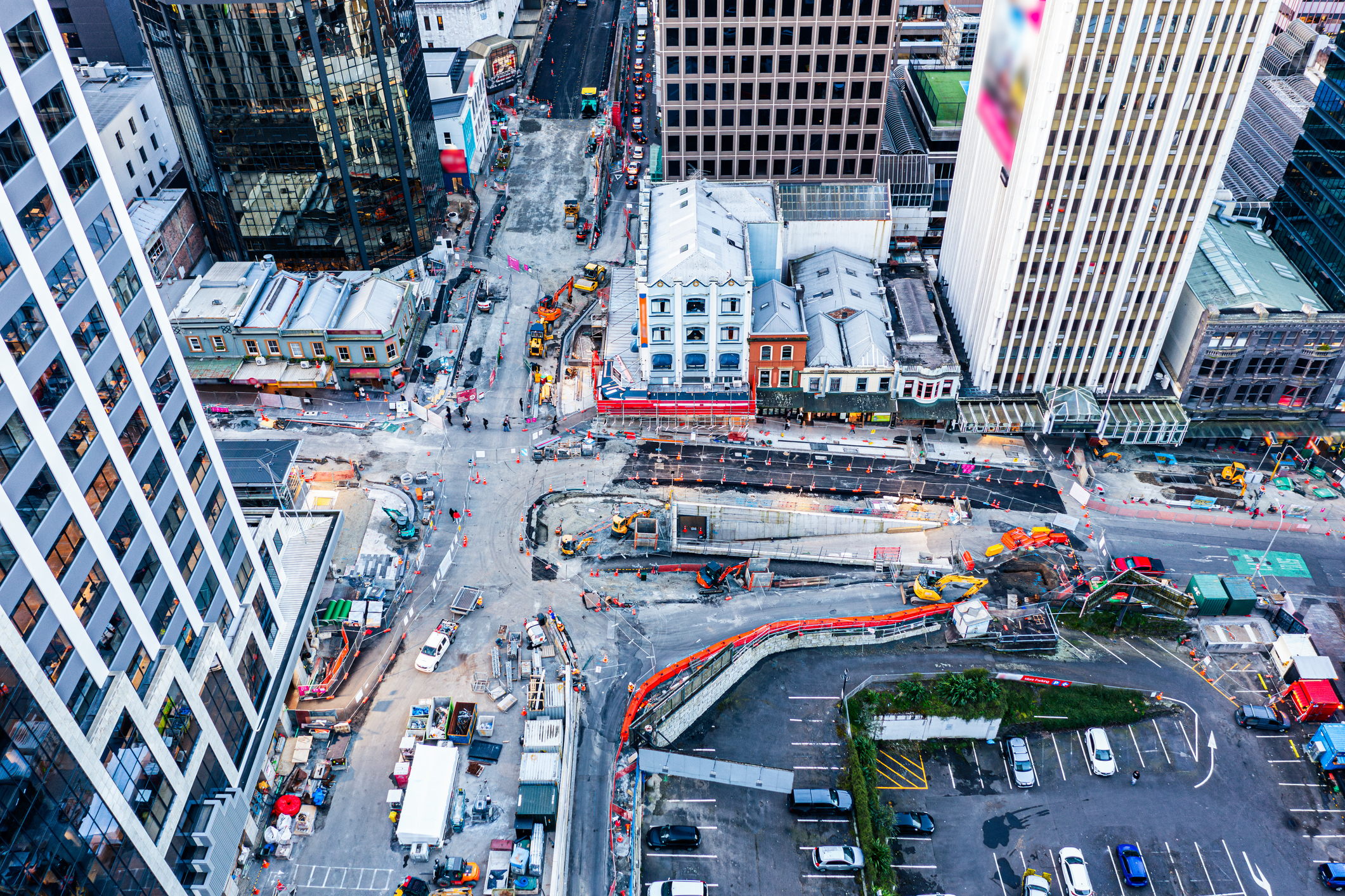
Further north in Auckland, the city is growing fast but there is a lack of density which places high demands and puts a hefty cost on infrastructure.
Instead of budgeting for infrastructure which serves Auckland as it has always been, perhaps we need to understand that we can’t afford for the city to grow according to its historic patterns.
A new Auckland, which might embrace higher density living, presents opportunities for greater community engagement and could also deliver improved efficiency in terms of infrastructure delivery.
Assets which serve small numbers of people could serve several times that number, delivering greater return on investment for the infrastructure spend.
In this way Auckland is a microcosm for New Zealand’s infrastructure dilemma, which is a small population dispersed over a wide area which makes for a high cost of servicing.
What sits beneath all these examples is the discipline of sustainable strategic asset management. Understanding not just the condition of assets, but the services they provide, who they serve, and how demand for those services is likely to change over time, is essential.
Demographic change, climate risk and shifts in settlement patterns mean that historic assumptions about growth and service continuity are no longer reliable. In many cases, the real challenge is not how to fund existing assets, but whether renewal continues to represent the best use of increasingly constrained resources.
This brings resilience into sharper focus. Resilient infrastructure planning is not always about rebuilding stronger or investing more. It is about making deliberate, long-term choices that integrate asset planning with long term financial sustainability. Decisions such as managed retreat, asset rationalisation or repurposing are not failures of investment, but outcomes of rigorous planning for future demand and affordability.
This shift is reinforced by the recent release of New Zealand’s National Infrastructure Plan, which calls for a stronger focus on understanding what infrastructure organisations can afford, optimising the use of existing assets, and aligning long term investment decisions with realistic service expectations.
Much is made of New Zealand’s infrastructure deficit, with NZ$200 billion needed to be spent to bridge the gap by 2030. The New Zealand Infrastructure Commission has priced the deficit at around NZ$1 trillion over the next three decades. Or, as the Ministry of Business, Innovation and Employment (MBIE) put it, that is the equivalent of making the complete Lord of the Rings film trilogy, 33 times every year for 30 years.
The Government is to be applauded for seeking a way forward in infrastructure funding models but given the size of the task and the inevitability of the financial pressures we also need rigorous planning to understand our future needs.
In many cases funds could be saved and asset performance enhanced through planning not for how we live today, but how we might live differently tomorrow.