When a city wins the right to host a major sporting event, the headlines often focus on economic boosts, global exposure and world-class competition. However, history shows that the real measure of success often comes long after the medals have been awarded. Today, a significant challenge is whether the infrastructure built for these events will continue to provide value to the community in the future.
As Australia prepares for the 2032 Brisbane Olympic and Paralympic Games and reflects on lessons from recent global sporting events, there is growing recognition that infrastructure legacy must be at the centre of planning from day one.
The cautionary tales are well known. Around the world, host cities have grappled with so-called “white elephant” assets, which are stadiums, athlete villages and specialised venues that struggle to find a purpose and hold little value for communities once the event concludes. Additionally, from a financial perspective, these assets are often costly to maintain and place a long-term burden on governments and ratepayers.
Victoria’s withdrawal as the host for the 2026 Commonwealth Games highlighted the reality of escalating costs associated with major sporting events. A 2024 report by the Victorian Auditor-General conducted after the withdrawal found the projected delivery costs had risen dramatically beyond the original business case and the budget was projected to exceed $6 billion. The state ultimately incurred more than $589 million in costs following the cancellation.
When Glasgow took on the responsibility of hosting the 2026 Commonwealth Games, they decided to take a different and scaled-down approach. The 2026 Games will feature 10 sports, down from 19 at the 2022 Birmingham Commonwealth Games. Additionally, Glasgow will use existing facilities across the city. Athletes will be housed in existing hotels rather than purpose-built villages, and temporary overlays and upgrades will be used in venues where necessary instead of building new infrastructure. The organisers have positioned this model as a more financially sustainable blueprint for future international events.
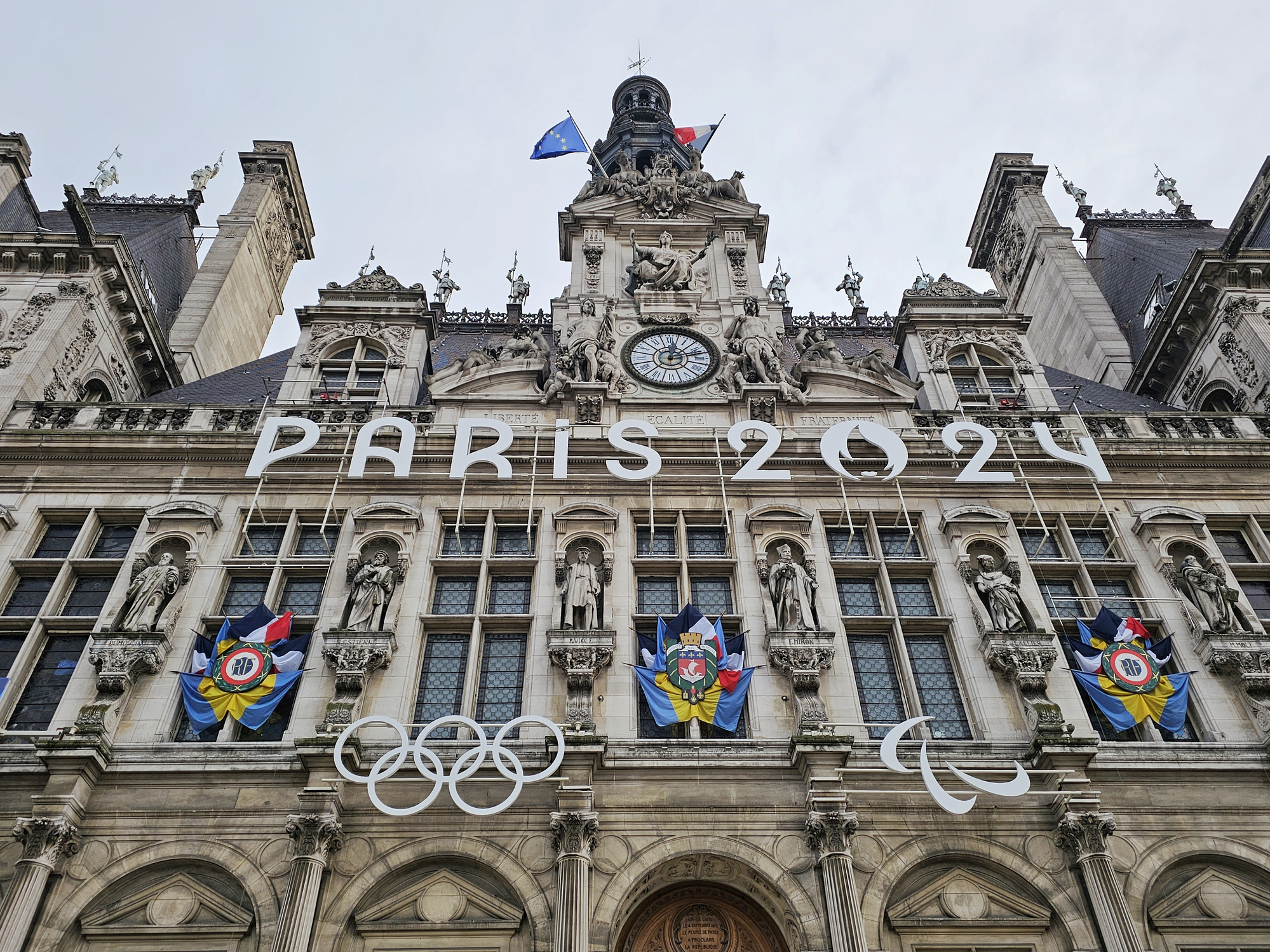
Another strong example of this approach was the Paris Olympic Games in 2024, which set a new standard for sustainability at a global sporting event. At the 2024 Olympics, 95% of competition venues were either existing facilities or temporary structures, and new venues that were constructed for the event responded to the needs of local communities. For example, the new Aquatic Centre was built in the north-eastern suburbs of Paris, which is historically an under-invested neighbourhood, and it used natural materials such as French wood for the frame, recycled plastic bottle caps to create the seats, and incorporated plants to create green spaces. This focus on legacy ensured the investment in infrastructure served a purpose beyond the event itself.
As Brisbane advances its plans for the 2032 Olympic and Paralympic Games, the Queensland Government’s approach sits somewhere between the extensive construction programs of previous Games, and Paris’ reuse-first model. The ‘2032 Delivery Plan’ laid out by the Queensland Government will deliver the largest infrastructure investment in Queensland’s history, and in addition to facilitating a successful Games, the Government aims to take advantage of the opportunity to build roads and infrastructure for the future and ensure the greatest number of Queenslanders possible benefit from these investments.
The Queensland Government has proposed a range of targeted infrastructure investments designed to deliver benefits both during and long after the Games. For example, the 63,000 seat Brisbane Stadium will be capable of holding a range of sporting and entertainment events in the future, and the National Aquatic Centre has been designed to be a national hub to support elite training and competition.
Similarly, the Brisbane Athlete Village will be located in Bowen Hills and will house more than 10,000 athletes and team officials during the Games. After the Games, it will transform into permanent dwellings to help meet the demand for housing in the state. Other existing venues across the city, such as the Brisbane Showgrounds, Queensland Tennis Centre, and the Logan Indoor Sports Centre, will be upgraded with the aim to provide legacy benefits for the community.
From a transport perspective, the Government is planning several major transport projects to ensure they can provide reliable and sustainable transport both during and after the Games. This includes new public transport connections from the Gold Coast to the Sunshine Coast, including ‘The Wave’; a new direct heavy rail line from Beerwah to Birtinya; a state-of-the-art metro hub connecting Sunshine Coast Airport and Maroochydore; faster rail from Logan to the Gold Coast; and expansions to Brisbane Metro services. Additionally, critical road upgrades, such as those along the Bruce Highway, will be undertaken.
While these projects will be important to support visitors to the Games, more importantly, all these initiatives will improve transport connections across South-East Queensland, address the needs of a growing population, and deliver community benefits long after the Games.
An emerging international trend is clear. Today, major events provide an opportunity to accelerate infrastructure projects that may already be required due to population growth, changing community expectations or climate resilience needs. Transport connections, public spaces, and housing can often deliver broader and more enduring community benefits than event-specific venues.
Ultimately, the planning of infrastructure for modern major sporting events must extend well beyond the event itself and should begin with the legacy in mind. The experiences of Paris and Glasgow demonstrate the successful event infrastructure doesn’t always require new venues but it is able to deliver significant value for communities. By focusing on long-term community benefit and prioritising adaptable, well-utilised assets that support broader development goals, governments can ensure major events become catalysts for enduring value, rather than costly monuments.