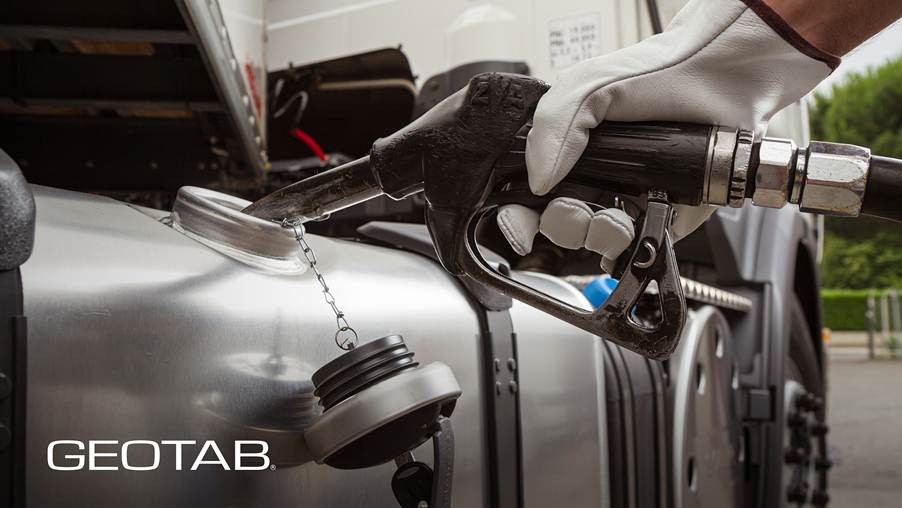
Australia has reduced fuel excise and suspended the heavy vehicle Road User Charge (RUC) until 30 June 2026. While this delivers immediate relief at the bowser, it also changes how Fuel Tax Credits (FTC) are calculated -and not always in the way businesses expect.
From 1 April to 30 June 2026, fuel excise has been cut by 60.9%, dropping from 52.6 cents per litre (CPL) to 20.6 CPL, while the RUC has been temporarily set to zero. For many fleet operators, this will reduce upfront fuel costs, but it also introduces complexity when it comes to FTC claims. According to Anthony Harmer, Director – Indirect Tax at KPMG, the scale and speed of these changes are likely to draw increased ATO scrutiny, making accuracy more important than ever.
To understand the impact, it’s important to revisit how FTC normally works. Fuel tax credits allow eligible businesses to recover the fuel tax included in diesel and petrol used for business purposes. The rate depends on how that fuel is used. For heavy vehicles travelling on public roads, the credit is calculated as the fuel excise minus the RUC, which reflects the contribution to road infrastructure. For fuel used off-road or on private roads, businesses can claim the full excise rate, as no road-related costs apply. Because many fleets operate across both environments, claims must typically be split between on-road and off-road usage.
| Fuel Use Category | Excise (CPL) | RUC (CPL) | FTC Rate (CPL) |
| Heavy vehicles on public roads | 52.6 | 32.4 | 20.2 |
| Off-road / other business use | 52.6 | N/A | 52.6 |
At first glance, many operators may assume that a 60.9% reduction in fuel excise would result in a similar drop in FTC entitlements. In reality, the interaction between the excise and the RUC creates a more nuanced outcome.
| Fuel Use Category | FTC before 1 April (CPL) | FTC from 1 April (CPL) | Change |
| Heavy vehicles on public roads | 20.2 | 20.6 | +2% |
| Off-road / other business use | 52.6 | 20.6 | -60.9% |
For heavy vehicles travelling on public roads, the suspension of the RUC changes the equation entirely. With no RUC to deduct, operators can now claim FTC equal to the full excise rate on the fuel they use. This represents a small but meaningful increase compared to the pre-April position, where the effective claim was approximately 20.2 CPL. For fleets with a high proportion of on-road driving, this is a positive outcome.
| Before 1 April 2026: | FTC = 52.6 (excise) – 32.4 (RUC) = 20.2 CPL |
| From 1 April 2026: | FTC = 20.6 (reduced excise) – 0 (suspended RUC) = 20.6 CPL |
However, the story is different for businesses with significant off-road fuel consumption, such as those in mining, construction, agriculture and utilities. Because the excise itself has been reduced, the FTC available on off-road fuel has also fallen. While these businesses are not paying more fuel tax overall, they are recovering less through FTC because less tax is applied at the point of purchase.
| Before 1 April 2026: | FTC = 52.6 CPL |
| From 1 April 2026: | FTC = 20.6 CPL |
For operators using fuel across both on-road and off-road environments, this quarter requires particularly close attention. The divergence between FTC outcomes means that accurately categorising fuel usage and having the data to support it, is critical. Businesses that cannot clearly demonstrate how much fuel was consumed in each setting risk either underclaiming or overclaiming, both of which carry financial and compliance implications. As Harmer notes, while on-road and off-road use may now attract the same nominal FTC rate, they are applied against a much lower excise base, reinforcing the need for robust records.
This policy shift also differs significantly from the fuel excise reduction introduced in 2022. At that time, while excise was reduced, the RUC remained in place. Because the RUC exceeded the reduced excise rate, on-road FTC effectively fell to zero. In contrast, the 2026 changes include a full suspension of the RUC, ensuring that heavy vehicle operators continue to receive FTC and, in many cases, slightly more than before. Some early commentary has overlooked this distinction, so it’s important for businesses to verify advice and ensure the RUC suspension has been taken into account.
Before lodging their next Business Activity Statement (BAS), businesses should take the time to review how these temporary measures affect their position. This includes applying the correct FTC rates for fuel acquired before and after 1 April, modelling the financial impact across different types of fuel use, and assessing how the RUC suspension influences cash flow. It’s also worth reviewing any fuel-related clauses in customer and supplier contracts to ensure these changes are accurately reflected. For those experiencing pressure, the ATO has indicated that support options may be available, but the responsibility for compliance remains firmly with the business.
In this environment, accurate and timely data has never been more important. Telematics solutions can play a key role in simplifying FTC claims and reducing administrative burden. By capturing real-time fuel consumption data linked to individual vehicles, trips and dates, fleet operators can create the detailed, auditable records required by the ATO. GPS-based tracking also allows businesses to distinguish between on-road and off-road usage with greater precision, which is essential for correctly splitting claims this quarter. Beyond compliance, these systems can help identify fuel-saving opportunities, from reducing idling and improving driver behaviour to optimising routes and benchmarking performance across the fleet.