Roads leading to a major sports stadium in the UK city of Liverpool have been fitted with smart lighting which changes according to the levels of traffic.
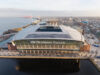
Traffic Adaptive Lighting (TAL) has been installed outside the Hill Dickinson stadium of Premier League club Everton, with the aim of increasing pedestrian safety when roads are busy and reducing carbon emissions when they are not.
The £30 million project, funded by the Department for Transport and delivered by Liverpool City Council, is expected to deliver up to 30% in energy savings over the next 10 years.
TAL is controlled via a central management system which is linked to traffic count sensors.
These sensors monitor traffic volumes and enable the system to automatically adjust lighting levels based on traffic density.
The project is a response to the fact that Liverpool is facing the challenge of reducing emissions and improving sustainability, while continuing to deliver reliable public services.
The city also needed to increase safety for pedestrians on match days as routes leading to Everton Stadium experience significant surges in traffic during events.
This required brighter, adaptive lighting for safety and crowd management.
In the past, the council relied on public reports to identify lighting failures, leading to delays in repairs and potential safety risks.
As budgets tighten and energy costs rise, the city is now pursuing innovative, efficient ways to invest in the future.
Councillor Dan Barrington, Cabinet Member for Transport and Connectivity said: “Since the Hill Dickinson Stadium opened, we’ve listened closely to fans who want a safe, well-lit route back towards the city centre and key transport links.
“The new adaptive lighting along the busiest roads around the stadium means pavements are brightly lit when people need it most, helping everyone feel safer as they move through the area. Because the system responds in real time, we can also spot and fix faults quickly, keeping the route reliably lit on matchdays and beyond.
“And by adjusting the lighting to actual traffic levels, we’re cutting unnecessary energy use and delivering real savings for the city.”