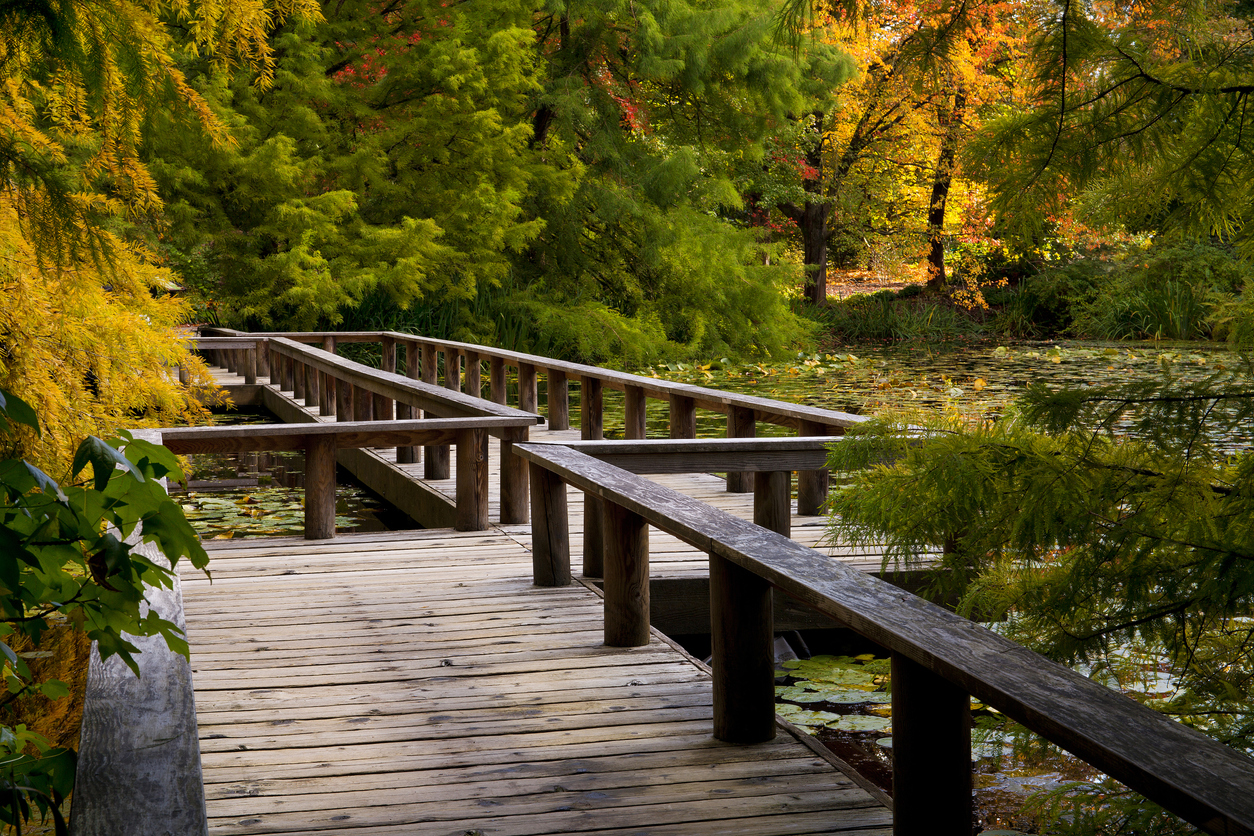
The Vancouver Board of Parks and Recreation has launched a digital project which aims to improve accessibility for people with disabilities and diverse needs.
The Parks Board is working with AccessNow, a digital platform that allows users to search and rate the accessibility of places, to conduct specialised accessibility audits using advanced technology and auditors with lived disability experience.
“Making our parks accessible for everyone is a priority for us,” said Tom Digby, Chair of the Vancouver Board of Parks and Recreation.
“By improving access to clear and reliable information, we continue to support more inclusive, welcoming, and easy-to-explore outdoor experiences for all.”
With support from Destination Vancouver, the project aims to improve access to popular attractions in the Canadian city, such as Stanley Park, Queen Elizabeth Park, John Hendry Park, and New Brighton Park. The city’s Botanical Gardens and Bloedel Conservatory are also rated as access attractions on the platform.
Visitors can now access high quality interactive accessibility maps to support their trip planning and real-time navigation.
AccessNow also supports other programs in Vancouver, such as the Leisure Access Program where residents facing financial barriers can use the Leisure Access Card for free admission to public swimming pools and skating rinks, and receive significant discounts for fitness centres and recreational programs.
Through another program, Recreation Inclusion Services, community centres offer adapted programs and support.
In May, the Parks Board launched a conversation to make Vancouver’s playgrounds more inclusive in the future. The city has more than 150 playgrounds, many of them built before today’s understanding of inclusive play.
Parks Board staff are currently seeking input through a citywide survey to help design guidelines to make sure future playgrounds work well for all children, families and caregivers.
Accessibility falls under one of the goals the Park Board has recently identified as a key priority “to shape the next 25 years.”
The goals were listed as: to grow and renew assets, protect existing parks and spaces, prioritise delivery of resources, focus on core responsibilities, adapt to climate change, restore wild spaces, foster safety and welcome, seek truth and reconciliation and secure funding.