By Steve Mooney
New Zealand’s infrastructure debate is often framed in terms of deficits, of pipes, roads, resilience, or funding. Little attention is paid to the projects that are subtly redefining value. Investments that deliver not just a single outcome, but multiple, reinforcing benefits. These are the projects generating a “double dividend”, simultaneously advancing economic efficiency, environmental outcomes, public health, and community benefits.
At a time of constrained public finances and rising climate risks, these co-benefits are not just a luxury, they are essential. New Zealand already has some notable examples that show how infrastructure, when designed with intent, can unlock wider returns.
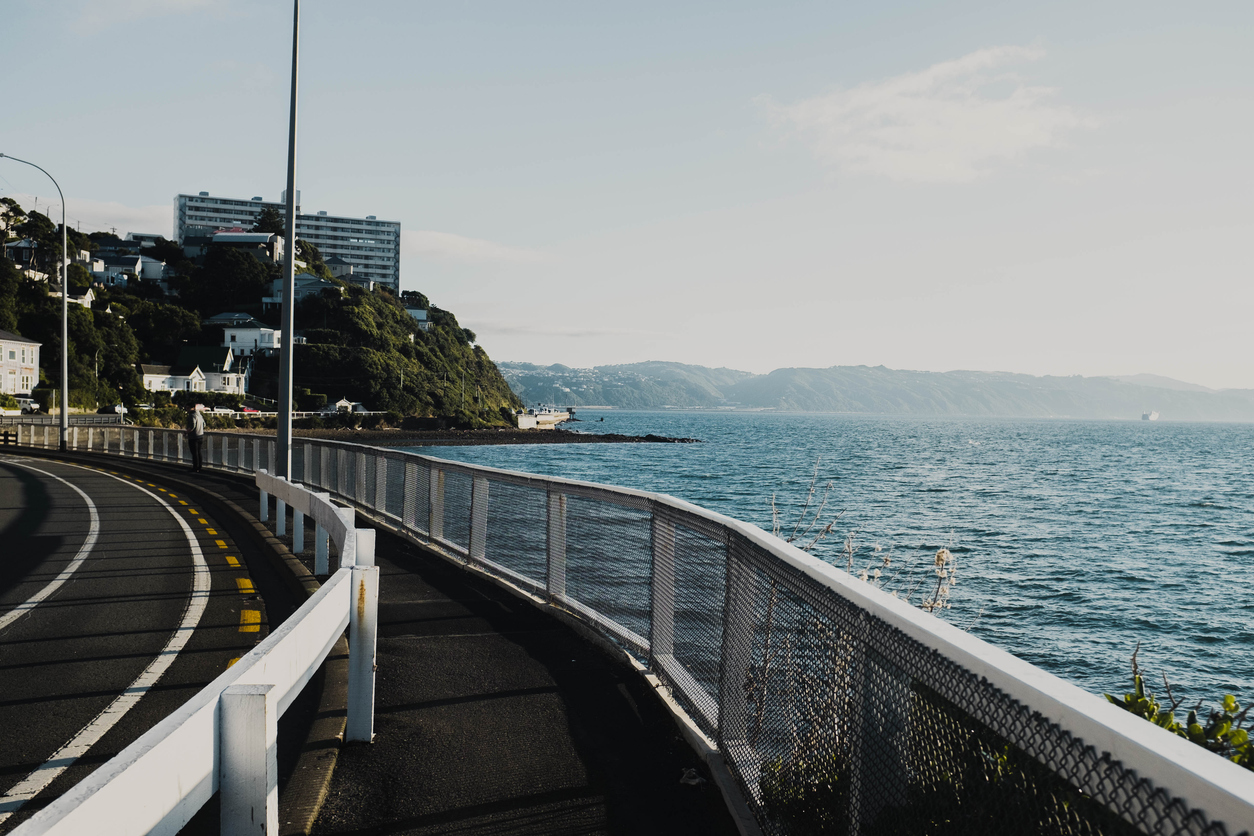
I live in the Hutt Valley, and the recent opening of the Te Ara Tupua shared walking and cycling path between Wellington and Petone is a great local example of this.
While Te Ara Tupua is often positioned as an active transport project, that label understates its true strategic value.
Transport Minister Chris Bishop said previously that there was no safe walking and cycling route between Wellington and Lower Hutt. “The new shared path provides more ways for people to move around our region, with over 2100 trips on bikes, 360 walking or running trips, and around 290 trips on e-scooters or similar devices on the path each weekday expected by 2032. This is compared to approximately 450 daily trips estimated before the project got underway. The new 4.5 kilometre-long, 5 metre-wide shared path is built on a foundation of extensive resilience works and coastal improvements,” said Bishop.
It provides transport diversification as State Highway 2 and the Rail lines along the harbour edge are vulnerable to slips, storm surge, and disruption with Te Ara Tupua now offering a viable and safer alternative for commuters, especially people cycling to and from the Hutt Valley and Wellington.
The project integrates coastal protection elements, enhancing resilience against sea-level rise and storm events which historically have been an issue in the past delivering climate and environmental benefits.
Designed in partnership with mana whenua, Te Ara Tupua also embeds cultural narratives and identity into the landscape reinforcing cultural and recreational value.
Te Ara Tupua is not merely a transport project; it is a climate adaptation measure, a health intervention, and a place-making investment all rolled into one. It has also helped enhance tourism and local wellbeing.
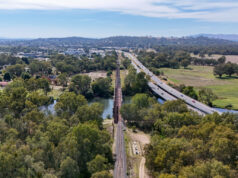
Another great local example is the Whakawhirinaki – Silverstream Pipe Bridge. This Pipe Bridge demonstrates how even traditionally “invisible” assets can deliver multiple dividends.
At its core, the project strengthens drinking water resilience for greater Wellington, providing a more secure and redundant supply line across the Hutt River. In an earthquake prone region, this redundancy is critical.
However, the project goes further. By incorporating a shared pedestrian and cycling link, it enhances local connectivity across the river, linking communities that were previously separated or poorly connected.
The co benefits extend to:
- Emergency preparedness: The bridge doubles as a critical access route during disruptions.
- Active transport uptake: Encouraging walking and cycling for everyday trips by better connecting 2 existing river cycle trails.
- Urban integration: Transforming utility infrastructure into a community asset.
This is infrastructure doing more with the same footprint. Leveraging necessary investment to create additional public value at relatively low marginal cost.
Lastly, another standout local example is the Te Wai Takamori o Te Awa Kairangi (RiverLink) programme in Lower Hutt, which combines flood protection upgrades with urban revitalisation.
Traditionally, flood schemes have been engineered in isolation. Stopbanks raised, channels widened, and communities left disconnected from their rivers.
RiverLink changed this as it will deliver essential flood resilience by protecting homes, businesses, and critical infrastructure from increasingly intense storm events. Simultaneously, alongside this, it will:
- Reconnect the city with its river through public spaces, walkways, and green corridors.
- Unlock economic development opportunities in the city centre.
- Enhance ecological outcomes, supporting biodiversity and improved river health.
- Improve transport integration, including better walking and cycling links.
The result will be a project that doesn’t just defend against risk, it will actively improve the quality and functionality of the city.
New Zealand faces a convergence of challenges: climate adaptation, infrastructure deficits, fiscal constraints, and growing communities. In this environment, single outcome investments are increasingly difficult to justify. The real opportunity for New Zealand is to move from isolated examples of co-benefits to making them the default.
This requires a shift in mindset, from building assets to building outcomes.
Te Ara Tupua, the Silverstream Pipe Bridge, and RiverLink all point in the same direction: infrastructure can and must do more than one job. In a resource-constrained, climate uncertain future, the question is no longer whether we can afford to pursue co-benefits. It is whether we can afford not to.