By David Jenkins
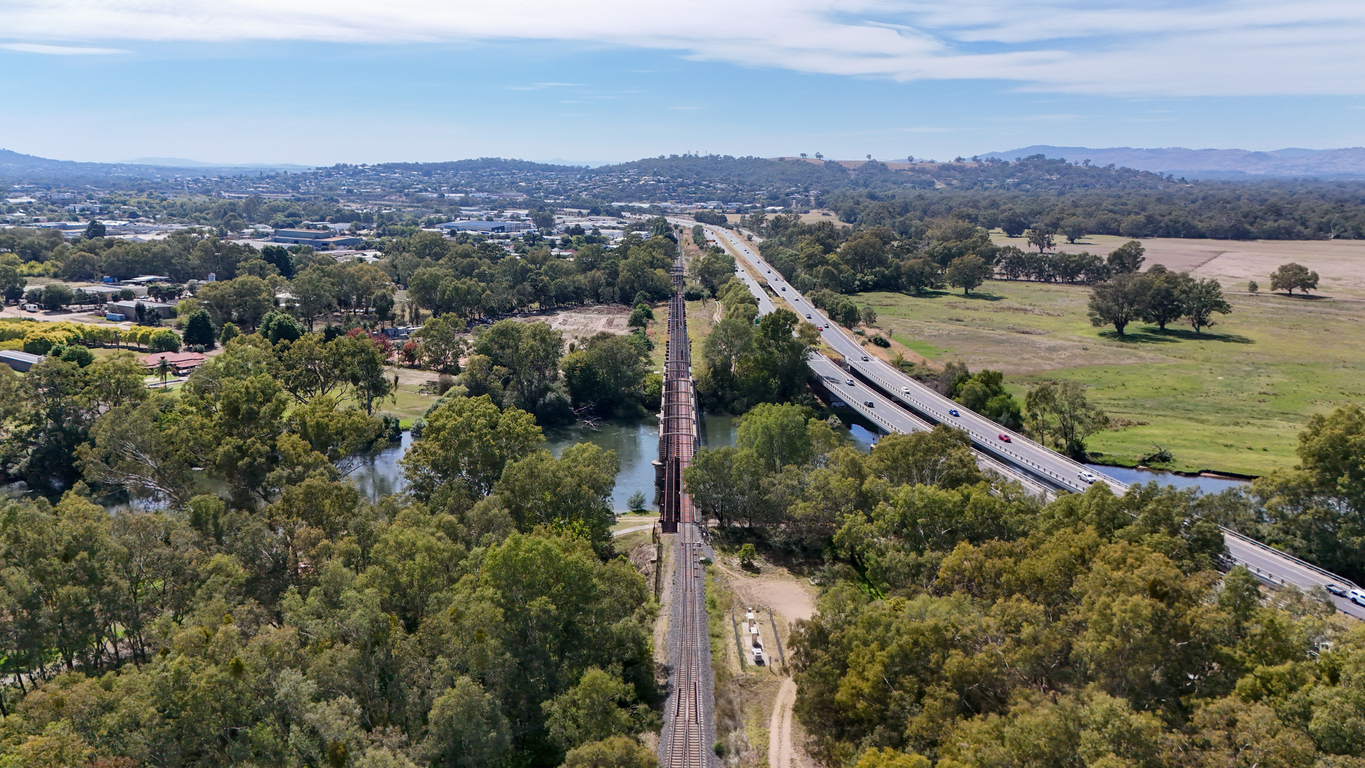
Picture a highway overpass. Engineers finished it on time, on budget – success by every official measure. But it also impacted the neighbourhood underneath, fragmented green space, cut off pedestrian routes, and sent a steady stream of pollution into the lungs of people who never had a say in its construction. One project ticked off the list. A dozen slow-burning problems quietly created.
This is how most of our cities get built: one decision at a time, in silos, by teams optimising for their own narrow brief and rarely talking to anyone else. The result isn’t dramatic failure it’s something more insidious. It’s a world that functions, technically, while making people sicker, lonelier, and more dependent on systems that are themselves becoming harder to sustain.
Professor Mark Enzer, Strategic Advisory Director at Mott MacDonald and visiting professor at both Cambridge and Imperial College London, frames the problem with unusual clarity. The built environment, he argues, is not a collection of separate projects but a network of layered, interdependent systems. Infrastructure including energy, transport, water, waste, telecoms forms the economic backbone. Hospitals, schools, housing, and commercial buildings form the social layer on top. And underneath it all, shaping and being shaped by everything above it, is the natural environment. Pull on any one of these threads without understanding the others, and the problem doesn’t disappear. It migrates.
“To achieve net zero, or to provide climate resilience, or to protect biodiversity, cannot be solved in silos because these challenges affect the whole system,” Enzer has said. This isn’t abstract theory. It’s a description of how things actually fail.
Research from the University of Sydney’s School of Public Health, drawing on nearly 96,000 residents, found that neighbourhood walkability – the density of crossings, mixed land uses, proximity to services – is a reliable predictor of whether people meet basic activity recommendations. The built environment doesn’t just reflect lifestyle choices; it determines them. A city can be beautiful, well-funded, and internationally admired while still being physically organised in ways that make healthy living genuinely difficult for large portions of its population.
In Sydney’s outer suburbs, this plays out with particular force. Low walkability, limited public transport, and car-dependent design cluster together, and so do disadvantage, physical inactivity, and cardiovascular disease. These aren’t separate policy problems requiring separate policy solutions. They are different expressions of the same underlying design failure, and treating them in isolation is part of why they persist.
The University of Sydney’s 2018 National Liveability Study made this structural relationship explicit, mapping spatial indicators across all 21 of Australia’s largest cities including walkability, housing affordability, green space, transport access, social infrastructure, proximity to employment. What the research revealed wasn’t a single lever to pull. It was an ecology of interdependencies, where improving one indicator in isolation tends to shift pressure onto its neighbours rather than reducing it overall.
The financial stakes are considerable. Chronic disease costs Australia’s healthcare system hundreds of billions of dollars each year, and while the causes are complex, a meaningful share of that burden is traceable to built environments that were never designed with population health in mind. Better urban planning wouldn’t eliminate chronic disease — but evidence strongly suggests it could reduce it. The persistent failure to act on that evidence is not just a public health problem. It is a fiscal one.
The same logic extends to biodiversity and mental health. When green corridors are sacrificed to development, we don’t just lose plants and animals, we lose some of the benefits those spaces provide: cleaner air, opportunities for incidental social contact, the cognitive restoration that comes from time in natural settings. Research has shown these aren’t soft benefits. They affect children’s lung development, rates of anxiety and depression, and the capacity of communities to function cohesively. Designing them out doesn’t make the need disappear. It just makes it someone else’s problem – usually the health system’s.
What Enzer is calling for – a shift from project outputs to system outcomes – sounds like a change in language. It is actually a change in thinking. The question “Did we build the road?” can be answered in a project report. The question “Did we help people and nature thrive and generate better connectivity?” requires looking at how that road affected heat, wildlife, physical activity, social connection, and air quality, over years and decades, not just during the contract period. It requires holding infrastructure accountable not just for what it was designed to do, but for everything it affects.
This is a harder ask. It requires political will as much as technical capability. Research led by Dr Jennifer Kent at the University of Sydney found that while interest in cross-sector collaboration has grown across government, NGOs, and universities, genuine interdisciplinary commitment at the leadership level remains rare. Systems thinking, it turns out, needs systems governance. One doesn’t work without the other, and right now, we largely have neither.
The problems we face including biodiversity loss, climate vulnerability, chronic disease, housing unaffordability, fraying social cohesion are not a list of separate crises. They are symptoms of a single complex system being managed as though it were a set of unrelated parts. The built environment is the connective tissue of modern life. Until we start treating it as such, we will keep building things that work on paper and fail in practice on time, on budget, and at enormous cost.